


When you think about Halloween, you might picture costumes and candy, but there's so much more to explore. From the origins of this ancient celebration to the intriguing symbols that adorn it, the depth of Halloween offers a rich tapestry for expository writing. You could consider the diverse cultural practices around the globe or analyze what makes fear such a compelling theme during this season. Each prompt invites you to uncover layers of meaning that might surprise you, but have you ever wondered how these elements intertwine to shape our modern Halloween experience?

History of Halloween
Halloween's roots trace back over two thousand years to the ancient Celtic festival of Samhain, where people believed the boundary between the living and the dead blurred. As October 31 approached, the Celts celebrated the end of harvest and the onset of winter, marking this time as a moment when spirits could roam the earth. They lit bonfires and wore costumes to ward off these wandering souls, hoping to protect themselves from any mischief.
When the Romans conquered Celtic territories, they merged their own traditions with Samhain, introducing festivities like Feralia, which honored the deceased. Over the centuries, as Christianity spread, the church sought to replace pagan customs. They established All Hallows' Eve on October 31, the night before All Saints' Day, which celebrated saints and martyrs.
Halloween Traditions Worldwide
Celebrations around the world embrace unique Halloween traditions that reflect local cultures and beliefs. In Mexico, for instance, you'll find Día de los Muertos, where families honor their deceased loved ones with colorful altars, marigolds, and sugar skulls. This vibrant celebration invites you to remember and celebrate life rather than fear death.
In Ireland, you might participate in the ancient tradition of carving turnips into lanterns, known as "jack-o'-lanterns." This practice originated as a way to ward off evil spirits during Samhain, the festival marking the end of the harvest season.
In Japan, you can experience "Shichi-Go-San," a festival where children dress in traditional attire to celebrate their growth and well-being. This event takes place in November but shares a spirit of honoring the past, similar to Halloween.
In the Philippines, you'd witness "Pangangaluluwa," a practice where children go door-to-door, singing and asking for prayers for the souls in purgatory. Each tradition showcases a unique way communities embrace the themes of remembrance, celebration, and connection, making Halloween a truly global festival.
Famous Halloween Symbols
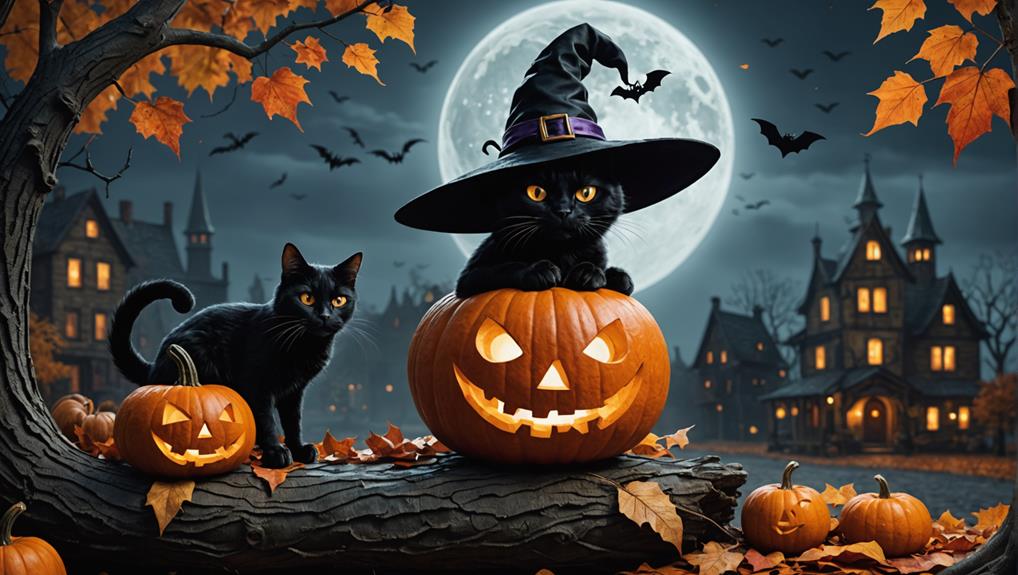
Among the most iconic symbols of Halloween are the pumpkin, black cat, and ghost. Each of these symbols carries its own unique significance and adds to the festive atmosphere of the holiday.
You'll often see pumpkins carved into jack-o'-lanterns, their glowing faces lighting up porches and pathways. The tradition dates back to ancient Celtic festivals, where people used turnips to ward off evil spirits. When Irish immigrants came to America, they found pumpkins to be more plentiful and easier to carve.
The black cat, often associated with witchcraft, is another prominent symbol. In folklore, these felines are believed to be witches' familiars or even witches in disguise. Seeing a black cat on Halloween can send chills down your spine, but it's important to remember that they're just as friendly and loving as any other cat.
Spooky Creatures and Their Lore
As the night grows darker and the air turns crisp, various spooky creatures come to life in folklore and tales. You might hear whispers of ghosts that roam abandoned houses, their stories intertwined with the places they haunt. These spirits, often seen as remnants of the past, serve as reminders of unfinished business or tragic events.
Then, there are the ghouls, known for their insatiable hunger for the living. You'll find them lurking in graveyards, feeding on the fears of those who dare to trespass. Legends say they can shape-shift, making it hard to discern friend from foe.
Witches, with their cauldrons and spells, also play a significant role in spooky lore. You can imagine them flying through the night sky on broomsticks, casting enchantments and curses. Many cultures have their unique interpretations of witches, but they all share a connection to the supernatural.
The Science of Fear
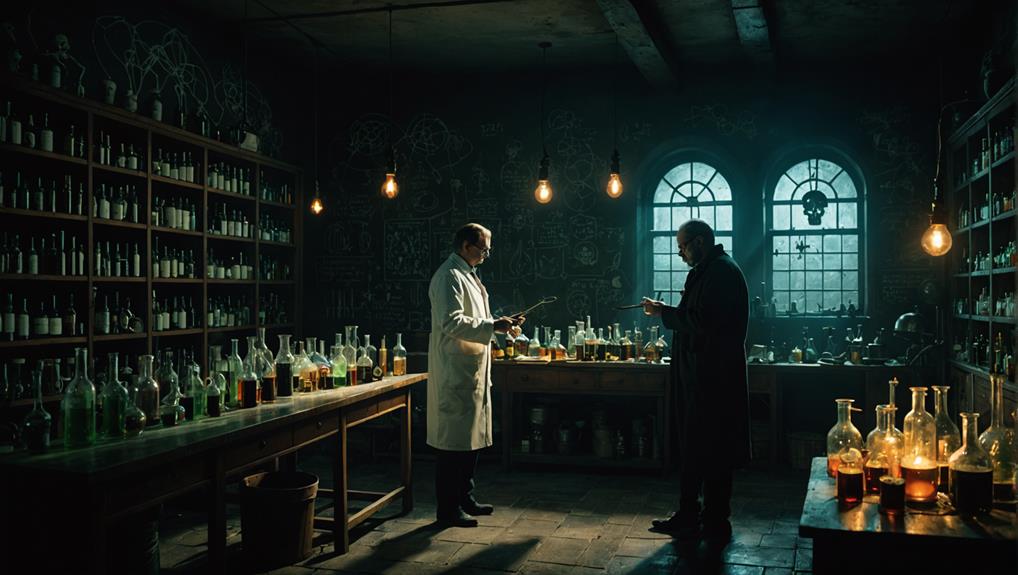
Fear grips us in various ways, triggering a complex response in our brains and bodies. When you encounter something frightening, your amygdala, the brain's fear center, springs into action. It processes the threat and sends signals to release adrenaline, preparing you for a fight-or-flight response. Your heart races, and you might feel a surge of energy, making you ready to either confront the danger or escape from it.
Interestingly, fear isn't just a simple reaction; it's also a learned behavior. You might develop fears through personal experiences or by observing others. This is why a scary movie can make your heart pound even if you know it's not real. Your brain connects the stimuli with fear, and that anticipation alone can be enough to trigger a response.
Moreover, fear can influence your perception of reality. It heightens your awareness and sharpens your senses, making you more attuned to potential threats. While fear is often unpleasant, it serves an essential purpose: it keeps you safe. By understanding the science behind fear, you can better navigate your own reactions, whether during Halloween or in everyday life.
Halloween in Popular Culture
Halloween has become a vibrant fixture in popular culture, influencing everything from fashion to film. You can see its impact in the countless Halloween-themed movies that flood theaters each October, from classic horror films like "Halloween" to family-friendly favorites like "Hocus Pocus." These films not only entertain but also shape how you view the holiday, blending scares with laughter.
In fashion, Halloween inspires costumes that range from spooky to whimsical. You probably find yourself scrolling through social media, admiring creative outfits that reflect current trends, pop culture icons, or even viral memes. It's fascinating how celebrities and influencers embrace Halloween, setting the stage for what's cool each year.
Music also gets in on the action, with playlists that feature eerie tunes and catchy tracks perfect for a Halloween party. You might dance to songs like "Thriller" or "Monster Mash," feeling the festive spirit take over.
And let's not forget the decorations! Stores overflow with Halloween-themed decor that turns homes into haunted houses, showcasing your creativity and love for the season. Overall, Halloween's influence on popular culture makes it a unique celebration that resonates with everyone.
Safety Tips for Trick-or-Treating
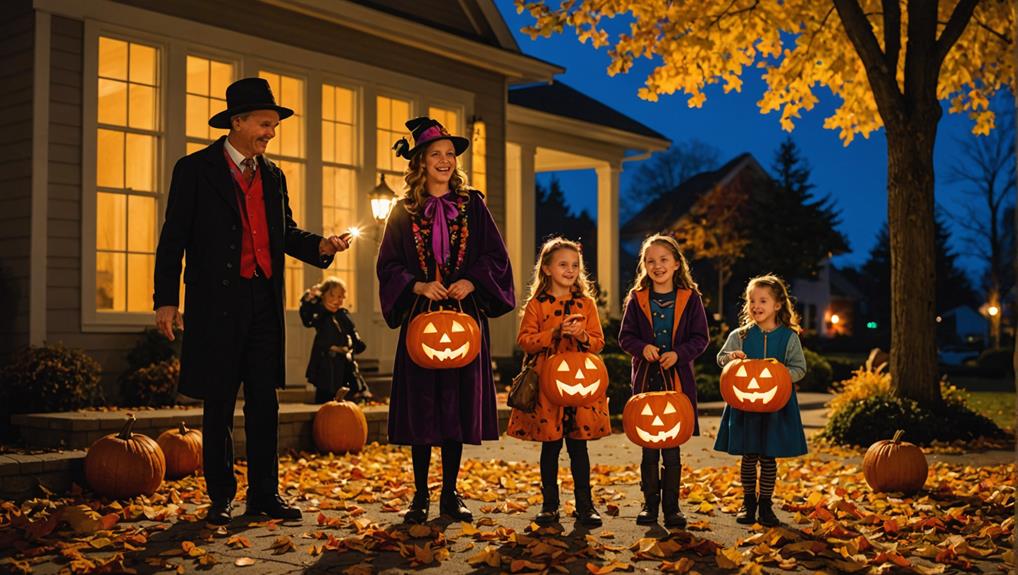
With all the excitement surrounding costumes and decorations, it's important to remember safety while trick-or-treating. First, choose a well-lit route that you and your friends or family know. Stick to sidewalks and avoid cutting through yards, as this can be dangerous. Always look both ways before crossing the street, and make certain to use crosswalks when available.
Next, consider wearing costumes that are visible in low light. Bright colors and reflective materials will help drivers see you. If your costume has masks, guarantee they don't obstruct your vision. Instead, opt for face paint or makeup.
As you gather treats, remind children not to eat any candy until they get home and parents can inspect it. Check for any signs of tampering, and throw away anything that looks suspicious.
Creative Halloween Costume Ideas
When it comes to standing out on Halloween, creative costume ideas can make all the difference. Instead of opting for the usual witch or vampire, think outside the box. Why not dress as your favorite food? A taco or a slice of pizza can be both fun and deliciously unique.
Another idea is to transform into a historical figure, like Cleopatra or Albert Einstein. This not only showcases your creativity but can also spark interesting conversations. If you're feeling crafty, consider a DIY costume. You could create a robot using cardboard boxes or become a jellyfish using an umbrella and some LED lights.
For a group costume, coordinate with friends to become a theme, like the cast of a favorite TV show or iconic movie characters. If you prefer something spooky yet playful, consider dressing as a ghost with a twist—add a funny face or accessories to lighten the mood.
Whatever you choose, remember that the best costumes reflect your personality and creativity. So, let your imagination run wild, and you'll surely make a memorable impression this Halloween!
Read The Next Blog Post –
As twilight descends and the air fills with the scent of crisp autumn leaves, you embrace the magic of Halloween. Each flickering jack-o'-lantern whispers stories of ancient traditions, while the rustle of costumes ignites your imagination. This enchanting night invites you to explore not just the thrill of fright, but the bonds we share in laughter and creativity. So, as you traverse shadowy streets, remember: Halloween isn't just about ghosts; it's about celebrating the spirit of community and wonder.


