


When you think about Halloween, what themes come to mind? You might consider its rich history, the meaning behind symbols like jack-o'-lanterns, or the diverse traditions people celebrate across the globe. Perhaps the evolution of costumes piques your interest, or the psychological aspects of fear during this spooky season. Each topic offers a unique lens through which to explore the holiday's significance. But what if you could tie these themes together in a way that reveals deeper insights into our culture? The possibilities are endless.
History of Halloween
Halloween's rich history dates back over 2,000 years to the ancient Celtic festival of Samhain, where people celebrated the end of the harvest season and the onset of winter. During this time, the Celts believed that the boundary between the living and the dead blurred, allowing spirits to roam freely. To honor these spirits, they lit bonfires and wore costumes, often made from animal skins, to ward off any malevolent entities.
As time passed, the celebration evolved. When the Romans conquered Celtic territories, they merged their own festivals, such as Feralia and Pomona, with Samhain. This fusion laid the groundwork for many modern Halloween customs. By the 8th century, Pope Gregory III designated November 1 as All Saints' Day, which incorporated some Samhain traditions. The night before became known as All Hallows' Eve, eventually shortening to Halloween.
In the 19th century, Irish immigrants brought their Halloween customs to America, transforming it into a community-centered holiday. Today, you see a mix of ancient traditions and modern festivities, making Halloween a unique celebration that continues to capture your imagination and spirit.
Halloween Symbols and Their Meanings
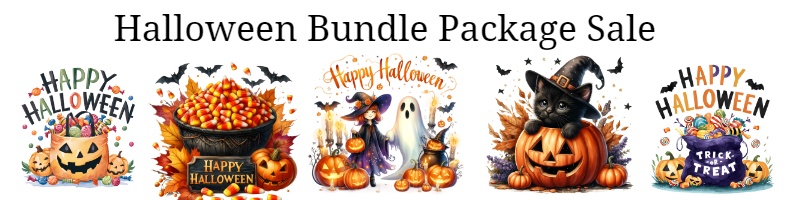
When you think of Halloween, certain symbols likely come to mind, like pumpkins, ghosts, and black cats. Each of these icons carries its own cultural significance and history that enriches the holiday. Let's explore what these symbols really mean and how they connect to Halloween's traditions.
Common Halloween Symbols
As you stroll through neighborhoods decorated for Halloween, you'll notice a variety of symbols that evoke the spirit of the holiday. Pumpkins, often carved into jack-o'-lanterns, light up porches, symbolizing the harvest and warding off evil spirits. Ghosts, draped in white sheets or floating in the air, represent the belief that spirits roam the earth during this time.
Witches, with their pointed hats and broomsticks, convey the idea of magic and the supernatural. Black cats, often seen as omens, add an air of mystery and superstition. Bats, fluttering through the night sky, symbolize rebirth and the change from light to darkness. Skeletons and skulls remind us of mortality, emphasizing the theme of death associated with Halloween.
Additionally, cobwebs and spiders create an eerie ambiance, suggesting the presence of the unknown. Candy corn, a popular treat, represents the festive spirit and the joy of trick-or-treating. Each symbol carries its own meaning, reflecting a mix of ancient traditions and modern interpretations. So, as you decorate your home or prepare for festivities, consider how these symbols connect you to the rich tapestry of Halloween's history.
Cultural Significance Explained
The cultural significance of Halloween symbols runs deep, intertwining ancient beliefs with modern practices. Each symbol you encounter during this spooky season carries a story, often rooted in history and tradition. Understanding these meanings enhances your appreciation for the holiday and its customs.
Here are some key Halloween symbols and their meanings:
- Jack-o'-lanterns: Originating from the Irish legend of Stingy Jack, these carved pumpkins symbolize the protection against evil spirits.
- Black cats: Once considered omens of bad luck, these feline companions are often associated with witches and the supernatural.
- Bats: Linked to the night and the unknown, bats represent transformation and the connection between this world and the afterlife.
- Ghosts: They reflect the belief in the spirit world, reminding you of the thin veil between life and death.
- Skeletons: Symbolizing mortality, skeletons remind you to celebrate life, even in death.
Popular Halloween Traditions
Halloween is a vibrant celebration filled with spooky decorations, costumes, and sweet treats that come alive every October 31st. You might kick off the festivities by carving pumpkins into jack-o'-lanterns, a tradition that dates back centuries. As you scoop out the insides, you can let your creativity shine by creating unique faces that light up your porch.
Trick-or-treating is another beloved tradition. You'll dress up in your favorite costume and visit neighbors, holding out your candy bag, enthusiastic for treats. It's a fun way to connect with your community and enjoy the excitement of the night.
Haunted houses and ghost tours also draw thrill-seekers. You can gather friends and explore spooky attractions that promise chills and laughter. Many enjoy sharing ghost stories around a bonfire, adding to the eerie atmosphere of the night.
Lastly, Halloween parties often feature games like bobbing for apples or pumpkin bowling, where you can compete with friends for prizes. Whether you're indulging in candy or exploring haunted locales, Halloween traditions bring a sense of joy and excitement that you won't want to miss!
The Evolution of Halloween Costumes
When you think about Halloween costumes, it's fascinating to see how they've changed over the years. From their historical origins rooted in ancient traditions to today's cultural influences and the rise of DIY trends, costumes reflect our evolving creativity. Let's explore how these elements shape what we wear each Halloween.
Historical Costume Origins
Costumes have long been a vibrant part of Halloween celebrations, evolving from simple disguises to elaborate outfits that reflect cultural trends and historical influences. You might be surprised to learn how these costumes originated and transformed over time.
Here's a brief overview of the historical roots of Halloween costumes:
- Ancient Celtic Traditions: People wore animal skins to ward off spirits during Samhain.
- Christian Influence: The celebration of All Hallows' Eve led to the adoption of saints' costumes.
- 19th Century Immigrants: Irish and Scottish immigrants brought new customs, including costume parties.
- 1920s to 1950s: Mass-produced costumes emerged, making it easier for everyone to join in the fun.
- Modern Era: Costumes now reflect movies, pop culture, and personal creativity, showcasing individuality.
Each of these influences shaped how you see Halloween today. From ghostly figures to superheroes, costumes carry stories of cultural evolution. As you choose your outfit this year, remember the rich history behind what you wear. Embrace the past while adding your unique twist to the celebration!
Cultural Influences Today
The vibrant world of Halloween costumes today reflects a blend of cultural influences that shape your choices each year. From classic monsters to modern pop culture icons, your costume options showcase a diverse mix of traditions and trends. You might find yourself drawn to characters from beloved movies, TV shows, or video games, embodying the latest fads that captivate audiences.
As you browse through aisles of costumes, you'll notice how global influences play a significant role. Traditional outfits from various cultures often inspire unique designs. For instance, you might see a fusion of elements from different countries, creating costumes that celebrate diversity while sparking curiosity. Social media and the internet have further accelerated this evolution, allowing you to discover and share ideas from around the world.
Moreover, societal conversations about representation and identity influence your choices. You're likely more aware of how costumes can perpetuate stereotypes or celebrate authenticity. This awareness encourages you to select costumes that resonate with your values and beliefs, ensuring that your Halloween experience reflects not just fun, but also thoughtfulness in cultural appreciation. Ultimately, Halloween costumes have evolved into a canvas for self-expression shaped by a rich tapestry of cultural influences.
DIY Costume Trends
As you explore the world of Halloween costumes, DIY options have gained immense popularity, showcasing creativity and individuality like never before. You can transform ordinary materials into extraordinary outfits that stand out in a crowd. This trend not only allows you to express yourself but also encourages sustainability by repurposing items you already have.
Here are five popular DIY costume trends you might consider:
- Upcycled Classics: Use old clothes to create iconic characters, giving them a fresh twist.
- Pop Culture References: Craft costumes inspired by recent movies, shows, or memes, ensuring they resonate with your peers.
- Nature-Inspired: Go for costumes that reflect the beauty of nature, using leaves, flowers, or even recycled materials.
- Group Themes: Collaborate with friends to develop a cohesive theme, like famous duos or ensembles from a beloved series.
- DIY Accessories: Elevate your costume with handmade accessories, such as masks, hats, or props, that enhance the overall look.
Halloween in Different Cultures
Halloween, often associated with spooky costumes and trick-or-treating, actually has diverse traditions around the world. In Mexico, for instance, you'll find Día de los Muertos, or Day of the Dead, where families honor their deceased loved ones with altars, food, and vibrant celebrations. It's a colorful blend of remembrance and festivity, distinct from the ghostly tones of Halloween.
In Ireland, the birthplace of Halloween, people celebrate Samhain, marking the end of the harvest season. You'd join in bonfires, storytelling, and traditional games, all while embracing the spirit of the season.
In Japan, the Obon festival honors ancestors with lanterns and dances. You'd see families gather to remember those who've passed, showcasing a profound respect for the afterlife, which contrasts with the more playful aspects of Halloween elsewhere.
Each culture offers unique perspectives on death and the supernatural. So, whether you're donning a costume or sharing stories, immersing yourself in these traditions can deepen your understanding of Halloween's global significance. By exploring these diverse practices, you'll gain a richer appreciation for how people around the world celebrate life, death, and everything in between.
Spooky Folklore and Legends
Many cultures enrich their celebrations with spooky folklore and legends that stir the imagination. These tales often embody the fears and mysteries of life, making them perfect for Halloween. You might find that these stories not only entertain but also teach lessons about morality and caution. Here are some spine-chilling elements to explore:

- Witches: From the wise woman of the village to the wicked sorceress, witches play a vital role in folklore.
- Ghosts: Spirits of the departed often haunt the living, leading to tales of unfinished business or vengeance.
- Monsters: Creatures like werewolves and vampires invoke primal fears, representing the darker side of humanity.
- Curses: Many legends warn of the consequences of greed or betrayal, often resulting in a vengeful spirit or tragic fate.
- Folklore Heroes: Figures like the Headless Horseman or the Banshee reveal cultural fears and heroic ideals.
The Psychology of Fear
Fear, a powerful emotion, shapes our experiences and reactions during Halloween. You might feel a thrill when you watch a horror movie or walk through a haunted house, and that's no accident. This seasonal celebration taps into deep-seated psychological triggers. When you're confronted with fear, your body responds with adrenaline, heightening your senses and making you more alert.
You may enjoy the adrenaline rush that comes from facing your fears in a controlled environment. Halloween gives you a chance to explore those unsettling feelings without real danger. The costumes and decorations create an atmosphere that amplifies your emotional response, letting you confront the unknown while still feeling safe.
Additionally, fear can foster social connections. You may bond with friends as you share scares, making the experience more enjoyable and memorable. This shared thrill strengthens relationships, turning fear into a communal activity.
Understanding the psychology of fear adds depth to your Halloween experience. Instead of merely seeking chills, you recognize how fear interacts with your emotions and social dynamics, making the holiday not just about scares, but about connection and exploration of the human psyche. Embrace it, and let the experience unfold!
Sustainable Halloween Practices
As the spooky season approaches, it's important to reflect on how your celebrations impact the environment. Halloween can be fun and festive without contributing to waste and pollution. By adopting sustainable practices, you can enjoy the holiday while being kinder to our planet.
Here are some eco-friendly ideas to ponder:
- Choose reusable decorations: Opt for items that you can store and use year after year instead of one-time-use decorations.
- Make your costumes: Get creative by crafting costumes from materials you already have or shopping at thrift stores.
- Use natural pumpkins: Instead of plastic decorations, buy organic pumpkins that can be composted after Halloween.
- Plan a zero-waste party: Serve food in reusable containers, use cloth napkins, and encourage guests to bring their own drinks.
- Opt for eco-friendly treats: Look for candies with minimal packaging or buy in bulk to reduce waste.
Read The Next Blog Post –
As you explore the fascinating world of Halloween, remember that it's more than just costumes and candy. Did you know that Americans spend over $10 billion each year on Halloween-related expenses? This statistic highlights how deeply ingrained the holiday is in our culture. Whether you're delving into its history, traditions, or symbols, Halloween offers a rich tapestry of themes to uncover. Embrace the spooky spirit, and let your curiosity guide you through the night!


