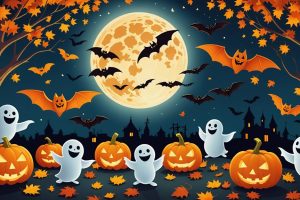
Halloween blends playful costumes and serious ancient traditions in a way that might surprise you. While you might think of it as just a night for candy and ghosts, its origins trace back to centuries-old customs that reveal much more about our cultural heritage. From the eerie history of Jack-o'-lanterns to the surprising roots of trick-or-treating, Halloween's story is rich with details waiting to be uncovered. What else lies beneath the surface of this widely celebrated holiday?

Ancient Origins of Halloween

Halloween's ancient origins date back over 2,000 years to the Celtic festival of Samhain, celebrated by the Celts in what is now Ireland and parts of the UK. This festival marked the end of the harvest season and the beginning of winter, a time when the veil between the living and the dead was believed to be at its thinnest. You might find it fascinating that the Celts lit bonfires and wore costumes to ward off roaming spirits, believing that the dead could return to earth during this time.
As the Celts celebrated, they prepared for the cold months ahead, gathering food and supplies. They also honored their deceased ancestors, hoping to receive guidance and protection. The festival was a time for reflection and connection with those who had passed on. Over time, this ancient tradition evolved and blended with other cultural practices, eventually giving rise to the modern Halloween we acknowledge today.
Halloween's Connection to Samhain
You might be surprised to learn how closely Halloween is tied to Samhain, the ancient Celtic festival that celebrated the changeover from harvest to winter. This festival, observed from October 31 to November 1, marked the end of the harvest season and the beginning of the cold, dark winter months. The Celts believed that during Samhain, the boundary between the living and the dead blurred, allowing spirits to roam the Earth.
To honor these spirits, people would light bonfires and offer sacrifices. They believed that by doing so, they could protect themselves from any malevolent spirits that might cause harm. You'd also find that traditional customs, like wearing costumes, originated from the Celts' attempts to disguise themselves from wandering spirits.
As time passed, Samhain blended with Christian traditions, ultimately evolving into what we now celebrate as Halloween. Many of the customs you enjoy today, like trick-or-treating and pumpkin carving, have roots in these ancient practices. So, the next time you celebrate Halloween, remember that you're participating in a festival with deep historical and cultural significance that connects you to centuries of tradition.
The Evolution of Costumes
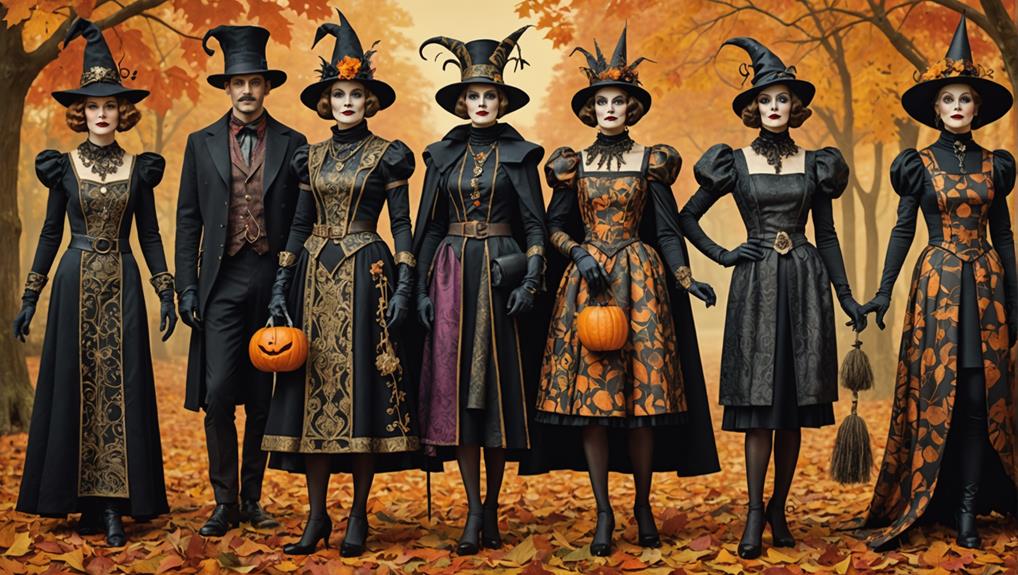
As the traditions surrounding Samhain evolved, so too did the costumes worn during the festivities. Initially, people wore simple disguises made from animal skins and heads to ward off spirits. These early costumes were practical, designed to blend in with the supernatural world and avoid detection by wandering ghosts.
Over time, costumes transformed into more elaborate and decorative outfits. By the 19th century, immigrants in America began adopting a more playful approach, embracing whimsical and humorous themes. You'd see costumes ranging from witches and ghosts to characters from popular literature and folklore. This shift reflected a desire to celebrate rather than fear the supernatural.

In the mid-20th century, commercialism took over, and costume production became widespread. Store-bought costumes became the norm, offering a variety of options for everyone, from superheroes to classic monsters. Today, you can find costumes that are incredibly detailed, reflecting current pop culture trends and personal interests.
Now, when you pick out your Halloween costume, remember that you're part of a long tradition of creativity and transformation, showcasing your unique style while connecting to centuries of celebration and festivity.
The History of Trick-or-Treating
Trick-or-treating, a beloved Halloween tradition, has its roots in ancient customs and practices. It likely began with the Celtic festival of Samhain, where people believed the boundary between the living and the dead blurred. During this time, children would dress in costumes and go door-to-door, asking for food as offerings to appease spirits.
In medieval times, the practice evolved into "souling," where the poor would visit homes on All Hallows' Eve, offering prayers for the dead in exchange for food. By the early 20th century, this practice transformed into the trick-or-treating that we are familiar with today.
In the 1920s and 1930s, communities began to embrace the idea of children dressing up and going door-to-door for treats. It became a way for neighborhoods to foster community spirit and keep kids entertained.
After World War II, the tradition skyrocketed in popularity, thanks to the increase in candy production and the post-war baby boom. Nowadays, trick-or-treating is a cherished Halloween highlight, allowing kids to experience the thrill of dressing up and collecting goodies from their neighbors, all while creating lasting memories.
Unusual Halloween Traditions Worldwide
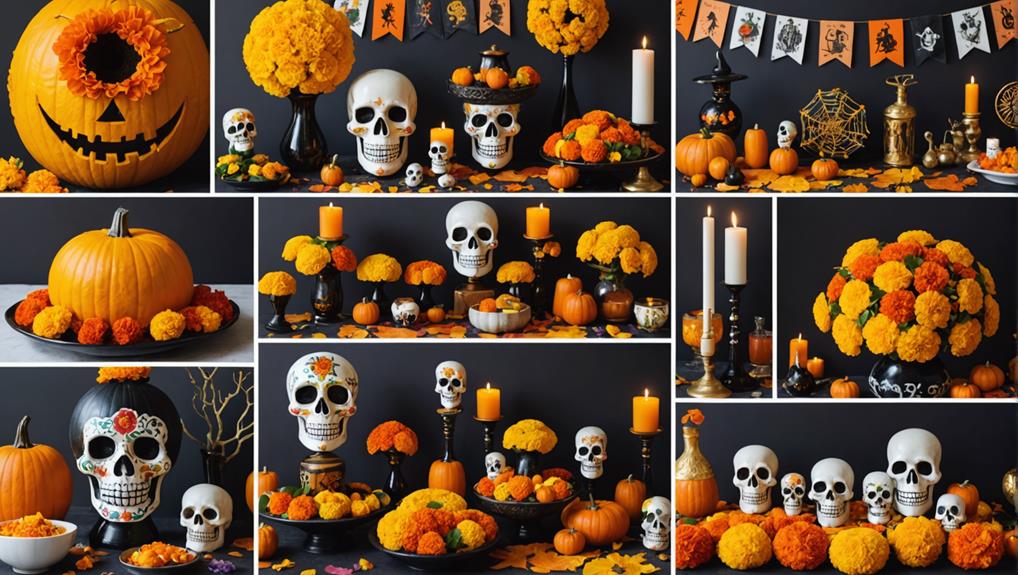
Around the world, Halloween isn't just about costumes and candy; it's rich with unique customs that reflect local cultures and beliefs. In Mexico, you'll find Día de los Muertos, or the Day of the Dead, where families honor deceased loved ones with vibrant altars, food offerings, and colorful decorations. It's a celebration of life rather than a spooky occasion.
In Ireland, the birthplace of Halloween, you might encounter "Guising," where children dress in costumes and perform tricks or songs in exchange for treats. This tradition harks back to ancient practices of warding off spirits.
Meanwhile, in Japan, the Obon Festival takes place in mid-August, celebrating the spirits of ancestors with lanterns, dances, and special foods. It's a time for reflection and remembrance rather than fright.
In some parts of Italy, children play a game called "La Festa di Ognissanti," where they dress up and go door-to-door, but instead of asking for candy, they collect coins for local charities.
These global traditions show that while Halloween may have common themes, the way it's celebrated can vary widely, offering a fascinating glimpse into diverse cultural practices.
The Significance of Jack-o'-Lanterns
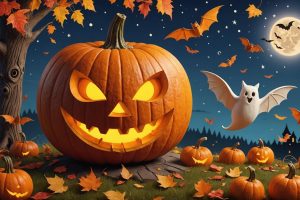
When you think of Halloween, Jack-o'-Lanterns probably come to mind. These carved pumpkins have a rich history, symbolizing light in the darkness and warding off evil spirits. Today, you can find a variety of carving traditions that bring creativity and fun to this festive season.
Origin of Jack-o'-Lanterns
Although you might associate Jack-o'-lanterns with Halloween fun, their origin is steeped in folklore and tradition. The practice actually dates back to an old Irish legend about a man named Stingy Jack. According to the tale, Jack tricked the devil and was doomed to wander the earth with only a carved turnip and a flickering coal to light his way. This story led Irish immigrants to carve pumpkins in America, as they were more plentiful and easier to work with than turnips.
Initially, these carved vegetables were meant to ward off evil spirits and guide lost souls. When you carve your own Jack-o'-lantern, you're participating in a tradition that's centuries old. The act of hollowing out and decorating the pumpkin symbolizes the blending of various cultural beliefs and practices, merging Celtic traditions with modern Halloween celebrations.
As you light the candle inside, remember that you're not just creating a festive decoration; you're honoring a rich history that's evolved over time. So, the next time you proudly display your Jack-o'-lantern, think about the folklore and the stories that have shaped this beloved Halloween tradition.
Symbolism of Light
At the heart of the Jack-o'-lantern's allure lies its powerful symbolism of light, representing hope and guidance in the darkness. When you light a candle inside a carved pumpkin, it transforms into a beacon that cuts through the night. This glow isn't just for decoration; it serves a deeper purpose. Historically, people believed that the light would guide lost souls back home or protect them from malevolent spirits wandering on Halloween night.
As you walk through neighborhoods adorned with these glowing pumpkins, you can feel a sense of community and warmth. Each flickering flame symbolizes a shared tradition, connecting you to generations past. The light of the Jack-o'-lantern also represents the triumph of life over death, illuminating the path forward amidst the shadows of the unknown.
In many ways, these lanterns remind you that even in the darkest times, there's always a flicker of hope. They invite you to reflect on your own journey and the light you carry within. So, when you see a Jack-o'-lantern this Halloween, remember its role as a guiding light, celebrating life, community, and the eternal struggle against darkness.
Carving Traditions Today
Carving Jack-o'-lanterns today is more than just a fun Halloween activity; it's a beloved tradition that brings families and friends together. As you gather around the table, the excitement builds. You pick out the perfect pumpkin, and each person grabs their carving tools, ready to release their creativity.
The process isn't just about cutting faces; it's an opportunity to bond. You reminisce about past designs, share tips, and maybe even engage in a friendly competition to see who can create the spookiest or silliest Jack-o'-lantern. There's something magical about watching the flickering candlelight shine through the carved designs, creating an inviting atmosphere that welcomes trick-or-treaters.

Moreover, these Jack-o'-lanterns serve as symbols of light in the darkness. They remind you of the ancient Celtic tradition of warding off evil spirits, transforming Halloween into a festive celebration. Today, many people personalize their Jack-o'-lanterns with intricate designs, showcasing their artistry and unique style.
Popular Halloween Superstitions
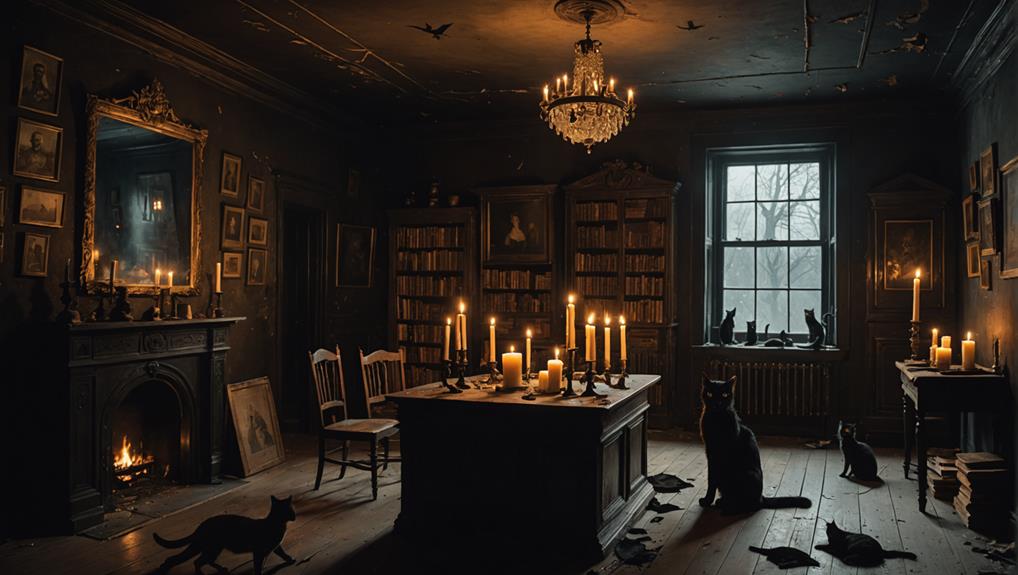
When you think of Halloween, superstitions are likely to come to mind. From the symbolism of black cats crossing your path to the eerie mirror rituals some still practice, these beliefs add an intriguing layer to the holiday. Plus, exploring the origins of trick-or-treating reveals how these customs have shaped our modern celebrations.
Black Cats Symbolism
Black cats have long been associated with Halloween, often viewed as symbols of bad luck or witchcraft. This belief dates back to medieval times when black cats were thought to be companions of witches or even witches themselves in disguise. As you celebrate Halloween, it's essential to recognize how these mysterious felines have been misinterpreted over the centuries.
Here's a quick look at some common beliefs surrounding black cats:
| Superstition | Meaning |
|---|---|
| Crossing your path | Bad luck is coming your way |
| Owning a black cat | Bringing misfortune |
| A black cat's meow | A signal from the spirit world |
| Seeing a black cat at night | An omen of death or danger |
Despite their ominous reputation, many cultures view black cats as symbols of good luck and prosperity. In fact, in some places, they're considered protective spirits. So, when you see a black cat this Halloween, remember that not all stories are as dark as they seem. Embrace the mystery and charm these cats bring to the spooky season!
Spooky Mirror Rituals
Mirrors have long held a place in Halloween folklore, acting as portals to the unknown and reflections of our deepest fears. Many believe that looking into a mirror at midnight on Halloween can summon spirits or reveal glimpses of the future. It's said that if you stare long enough, you might catch a fleeting image of someone who's passed away.
One popular ritual involves lighting candles around a mirror while reciting incantations. This practice is thought to invite spirits to communicate, allowing you to ask questions about what lies ahead. However, be careful! Some superstitions warn that if you see a shadowy figure behind you, you should never turn around, as it might signify a malevolent presence.
Another chilling tradition is the "Bloody Mary" game. You chant her name three times while facing a mirror, hoping to summon her spirit. Participants often report feelings of dread or even sighting an apparition, making this ritual both thrilling and terrifying.
Trick-or-Treat Origins
Although many enjoy the excitement of trick-or-treating, few realize its origins are steeped in ancient traditions and superstitions. This beloved Halloween activity traces back to the Celtic festival of Samhain, where people believed that the boundary between the living and the dead blurred. To appease wandering spirits, folks would leave out food and drink, hoping to avoid mischief from the otherworldly.
Fast forward to the Middle Ages, and "souling" emerged, where the poor would go door-to-door on All Hallows' Eve, asking for food in exchange for prayers for the deceased. In return for their goodwill, they'd receive "soul cakes," a practice that blended with the customs of the time.
Halloween's Economic Impact
Celebrating Halloween generates significant economic activity across various sectors, from retail to entertainment. You might not realize just how much money flows into the economy during this spooky season. In fact, Americans spend billions each year on costumes, candy, decorations, and parties, making Halloween one of the most lucrative holidays.
Costumes are a major driver of this spending. You'll find everything from classic witches and ghosts to trendy pop culture characters, drawing families to stores and online retailers alike. And let's not forget about candy! With trick-or-treaters in mind, retailers stock up on sweets, creating a sweet boost for the confectionery industry.
In addition to retail, the entertainment sector also thrives. Haunted houses, pumpkin patches, and Halloween-themed events attract crowds, generating revenue for local businesses. You might even consider attending a festival or a spooky movie marathon, further supporting the economy.
All of this adds up to a significant economic impact, proving that Halloween isn't just about fun and fright. It's a time when communities engage, businesses thrive, and you can indulge in the spirit of the season while contributing to the economy in a meaningful way.
Read The Next Blog Post –
As you plunge into the fascinating world of Halloween, you uncover a tapestry woven with ancient traditions and modern twists. This celebration isn't just about ghosts and goblins; it's a rich blend of history and culture that connects us all. From the flickering glow of Jack-o'-lanterns to the thrill of trick-or-treating, Halloween lights up our lives like a beacon in the night. So, embrace the spooky spirit and enjoy the magic that this holiday brings!