As you prepare for Halloween, it's intriguing to contemplate the history and fun facts that surround this holiday. You might be surprised to learn about its origins in the ancient Celtic festival of Samhain, or how different cultures celebrate it worldwide. Plus, there's a wealth of knowledge behind popular symbols and traditions that kids love. What if understanding these elements could enhance your Halloween experience? Discover how these facts can transform the spooky season into something even more meaningful.

The Origins of Halloween
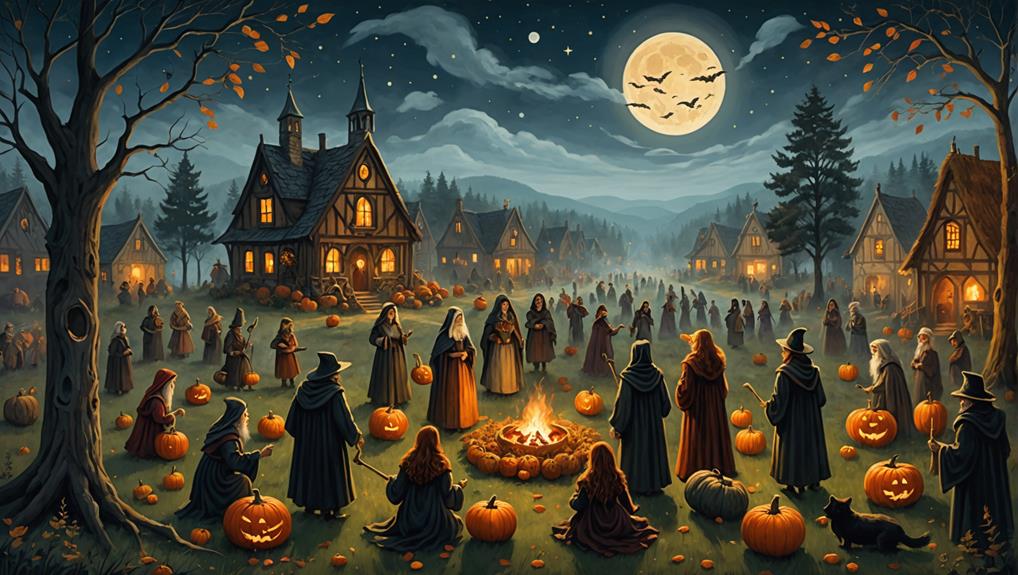
With roots dating back over 2,000 years, Halloween originated from the ancient Celtic festival of Samhain. During this festival, people believed that the boundary between the living and the dead was blurred. On the night of October 31st, they thought that the ghosts of the deceased would return to earth, so they lit bonfires and wore costumes to ward off these spirits. You can imagine how spooky it must've felt back then!
As time went on, the festival evolved. The Celts began incorporating traditions from other cultures, and by the 8th century, Pope Gregory III designated November 1st as All Saints' Day. This move aimed to replace Samhain with a Christian holiday but didn't erase the Celtic influences. Instead, the night before, October 31st, became known as All Hallows' Eve, which eventually morphed into Halloween.
Today, you see remnants of those ancient practices in modern celebrations, from costumes to bonfires. When you dress up or carve pumpkins, you're participating in a tradition that connects you to centuries of history. So, next time you celebrate, remember the fascinating origins of Halloween!
Halloween Around the World
Halloween isn't just celebrated in the U.S.; it has unique traditions all over the world. You'll find different costumes and celebrations that reflect local customs and cultures. Let's explore how Halloween looks in various countries!
Unique Traditions Worldwide
Around the globe, people celebrate Halloween in various unique ways that reflect their cultural heritage and traditions. In Mexico, the Day of the Dead, or Día de los Muertos, is a vibrant celebration honoring deceased loved ones. Families create altars adorned with photos, candles, and sugar skulls, inviting spirits to join them in remembrance.
In Ireland, the birthplace of Halloween, you'll find bonfires lighting up the night sky. People participate in traditional games like apple bobbing and enjoy festive gatherings with friends and family. It's a time to share ghost stories and celebrate the harvest.
In Japan, a festival called Obon honors ancestors through dance and lanterns. Families visit graves, light lanterns, and participate in festivals filled with music and dance, creating a beautiful atmosphere of respect and joy.
In China, the Hungry Ghost Festival takes place, where families offer food to wandering spirits. They believe this helps to appease the spirits and guarantee good fortune.
These diverse traditions show that Halloween isn't just about costumes and candy; it's a time for connection, remembrance, and celebration across cultures. Each unique practice enriches our understanding of this fascinating holiday.
Costumes and Celebrations
Celebrations during this festive time often revolve around lively costumes and community gatherings. Around the world, Halloween isn't just about trick-or-treating; it's a rich tapestry of traditions. In the United States, you might dress up as your favorite superhero or spooky ghost, while in Mexico, families honor their loved ones during Día de los Muertos, blending costumes and customs to celebrate life.
In Ireland, where Halloween originated, people wear costumes to ward off spirits, holding bonfires and storytelling gatherings. You'll find folks in Scotland making "guising" a fun tradition, where children dress up and perform a trick, like a song or joke, for treats.
If you venture to Japan, you might discover a vibrant Halloween celebration in Shibuya, where people don creative costumes and take part in massive street parties.
No matter where you are, costumes serve as a means of expression and creativity. So, whether you're crafting your outfit or joining a local parade, you're participating in a global celebration that brings communities together. Enjoy the fun and remember, it's all about embracing the spirit of Halloween!
Creepy Creatures and Their Meanings
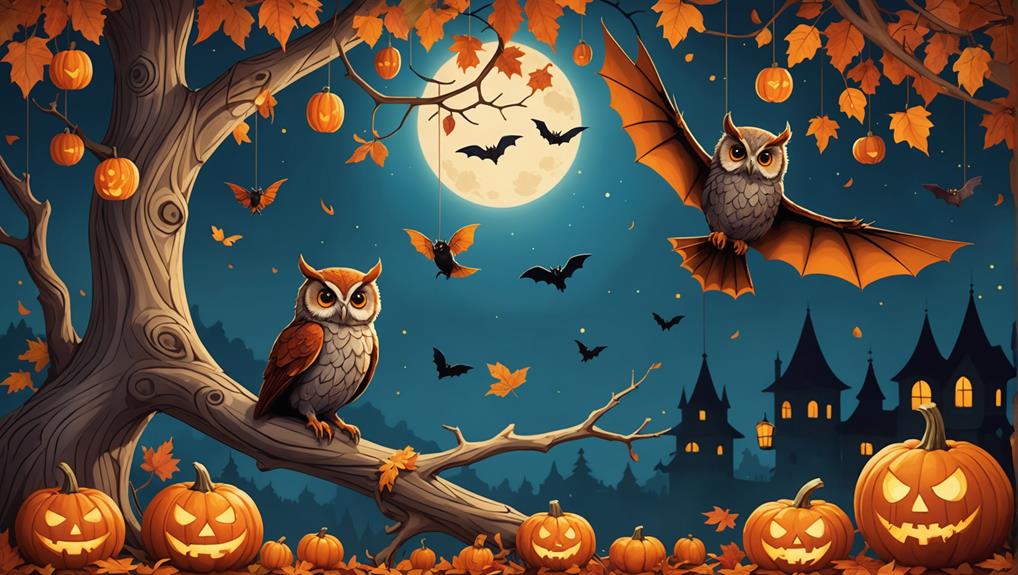
When you think of Halloween, creepy creatures like bats, spiders, and ghosts often come to mind. Each of these creatures carries its own fascinating meaning and history. For instance, bats are often linked to the spooky side of Halloween. They symbolize change and the ability to see what's hidden in the dark, making them perfect for this eerie season.
Spiders, with their intricate webs, represent creativity and patience. In many cultures, they're believed to bring good luck, though they might still give you a fright when they scuttle across your path! Ghosts, on the other hand, embody the spirits of the past. They remind us of the connection between this world and the next, making them a staple of Halloween lore.
Other creepy creatures like owls, black cats, and skeletons also have their meanings. Owls symbolize wisdom but are often associated with mystery. Black cats, once seen as witches' companions, are now considered symbols of superstition. And skeletons remind you of the cycle of life and death, reminding us to cherish each moment.
Traditional Halloween Costumes
When you think about Halloween, traditional costumes often come to mind. You might be surprised to learn about their historical origins and how popular themes have changed over the years. Plus, if you're feeling creative, we'll share some fun DIY costume ideas to try this Halloween!
Historical Costume Origins
Throughout history, people have worn costumes during Halloween to connect with the spirit of the holiday and its traditions. The origins of these costumes can be traced back to ancient Celtic festivals, particularly Samhain, where folks believed the boundary between the living and the dead blurred. To ward off spirits, they donned masks and disguises, hoping to blend in with the supernatural.
As time went on, costumes evolved. In medieval times, people wore costumes to celebrate All Hallows' Eve, the night before All Saints' Day. They often dressed as saints, angels, or even devils, reflecting their beliefs and values. By the 19th century, the practice of trick-or-treating began to take shape, and children started wearing costumes to embody various characters, from ghosts to witches.
In the early 20th century, Halloween costumes became more commercialized. Manufacturers started producing ready-made outfits, making it easier for kids to join in the fun. Today, you might find costumes inspired by everything from classic monsters to pop culture icons. Understanding these historical roots helps you appreciate the creativity and significance behind the costumes you see today.
Popular Costume Themes
As you plunge into Halloween festivities, you'll notice a variety of popular costume themes that capture the essence of this spooky holiday. Many kids love dressing up as classic monsters, like vampires, witches, and mummies. These costumes have been around for ages and add a traditional touch to Halloween. You might find yourself gravitating towards superheroes, too; whether it's Batman, Spider-Man, or Wonder Woman, these characters inspire bravery and adventure.
Another favorite theme revolves around fairy tale characters. You could transform into a princess, a pirate, or even a dragon! These whimsical costumes allow you to step into a magical world. Animal costumes also reign supreme, with options ranging from cute cats to roaring lions.
Don't forget about pop culture references! Characters from movies, TV shows, and video games can make for eye-catching outfits that spark conversations. Ultimately, many kids enjoy dressing up as historical figures or famous personalities, which can be both fun and educational.
DIY Costume Ideas
Creating your own Halloween costume can be a fun and rewarding experience, and with just a few materials, you can transform into classic characters like a witch or a vampire. Here are some easy DIY ideas for traditional costumes that won't break the bank.
| Costume Idea | Materials Needed | Quick Tips |
|---|---|---|
| Witch | Black dress, hat, broomstick | Use face paint for a spooky look. |
| Vampire | Black clothing, cape, fake fangs | Apply white face makeup and dark eyeshadow. |
| Ghost | White sheet, black marker | Cut out eye holes and add chains for effect. |
With these simple ideas, you can get creative and personalize your costume. Add some accessories like a broom for the witch or a little fake blood for the vampire. The best part? You'll impress your friends and have a blast making your costume. So gather your materials, release your imagination, and get ready for a Halloween full of fun! Enjoy the process, and remember, it's all about being yourself—just a spookier version!
Fun Halloween Traditions
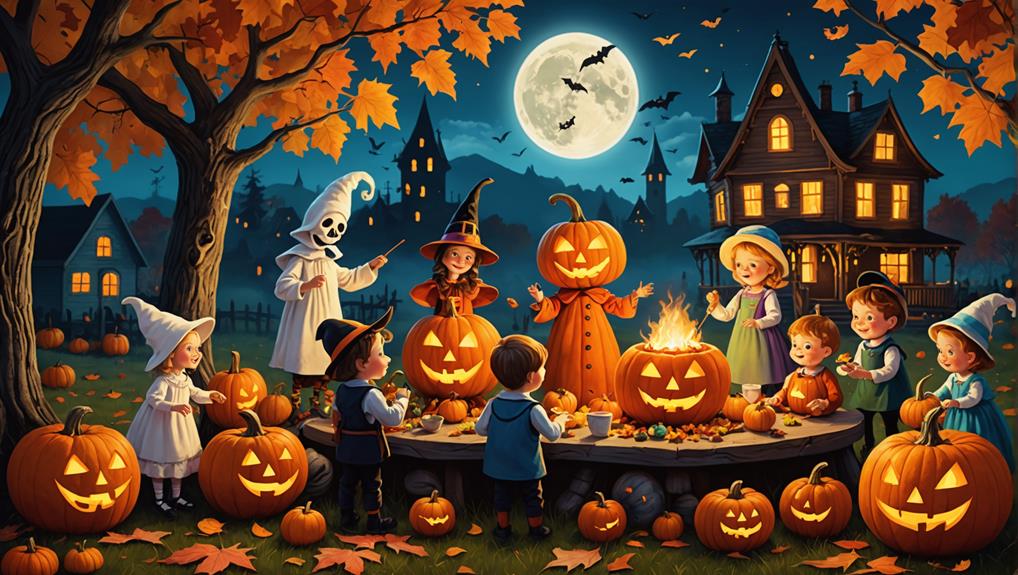
Halloween is filled with exciting traditions that bring communities and families together. One of the most beloved traditions is trick-or-treating. You dress up in your favorite costume and go door-to-door, collecting candy from neighbors. It's a thrilling adventure that lets you explore your neighborhood while sharing a bit of spooky fun!
Another popular tradition is pumpkin carving. You can pick out a pumpkin, scoop out its insides, and create a face or design. Once you're finished, lighting a candle inside gives your creation a glowing, festive look. Don't forget to save the seeds for roasting later—it's a tasty treat!

Halloween parties are also a hit. You and your friends can enjoy fun games, spooky snacks, and maybe even a haunted house. Some families love to host movie nights featuring classic Halloween films, perfect for snuggling up with popcorn and candy.
Spooky Symbols and Their History
Symbols play a significant role in the Halloween celebration, adding to the eerie atmosphere and rich history of the holiday. You might notice familiar symbols like pumpkins, bats, and ghosts. Each has a story that dates back centuries.
Take the pumpkin, for instance. It comes from an old Irish legend about a man named Jack who tricked the devil. To ward off his ghostly spirit, people began carving turnips and later pumpkins into lanterns, creating the beloved jack-o'-lantern you see today.
Bats are another spooky symbol. They've long been associated with witchcraft and the supernatural. In many cultures, bats represent death or the arrival of spirits, making them a fitting companion for Halloween night.
Then there are black cats, often tied to witchcraft. In medieval times, they were believed to be witches' familiars, bringing bad luck.
Understanding these symbols deepens your appreciation for the holiday. They connect you to traditions and tales from the past, making Halloween more than just a night of costumes and candy. You're celebrating a rich tapestry of history that's woven into the fabric of this spooky season.
Halloween Candy Facts
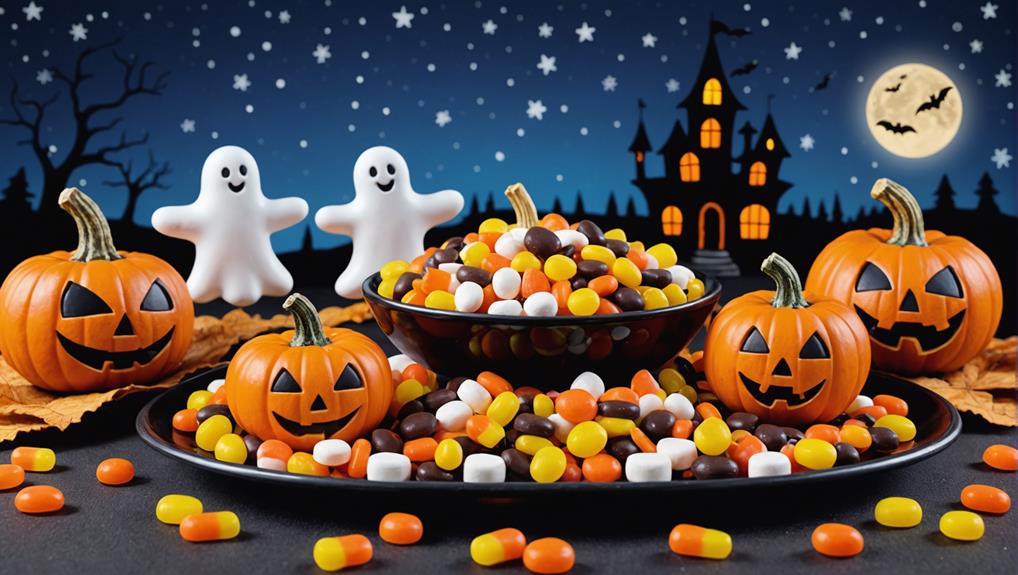
When you think of Halloween, one of the first things that probably comes to mind is the delicious candy that fills every trick-or-treat bag. Did you know that Halloween candy sales can reach over $2.5 billion each year in the United States? That's a lot of sweet treats! Chocolate bars, gummy candies, and lollipops are just a few of the favorites.
One fun fact is that Reese's Peanut Butter Cups are often considered the top candy choice among trick-or-treaters. Surprisingly, M&M's and Skittles also make the list of popular picks!
Now, you might wonder how many pieces of candy kids collect while trick-or-treating. On average, kids can gather around 3,500 calories worth of candy during Halloween night! That's enough to last well beyond October 31st!
But remember, moderation is key. Eating too much candy can lead to a tummy ache or cavities. So, after you enjoy your haul, it's a good idea to share some with friends or save them for later. Halloween candy is fun, but enjoying it wisely is even sweeter!
Famous Halloween Celebrations
Celebrating Halloween is a thrilling experience around the world, with each country adding its unique twist to the festivities. In the United States, kids dress up in costumes and go trick-or-treating, seeking candy from neighbors. It's a night filled with laughter, spooky decorations, and haunted houses.
In Mexico, the Day of the Dead (Día de los Muertos) honors deceased loved ones. Families create altars, decorate graves, and share special foods, blending joy and remembrance in a vibrant celebration.
In Ireland, the birthplace of Halloween, people light bonfires and carve out turnips, known as "jack-o'-lanterns." They also partake in traditional games like bobbing for apples, bringing communities together in fun.
In Japan, Halloween's popularity has surged. Cities like Tokyo host lively parades where people showcase elaborate costumes, embracing the playful side of the holiday.
Wherever you go, famous Halloween celebrations unite people in fun and fright. So, whether you're collecting candy, honoring spirits, or displaying spooky creativity, you're part of a global tradition that makes Halloween special!
Read The Next Blog Post –
As you immerse yourself in the enchanting world of Halloween, picture the flickering glow of jack-o'-lanterns illuminating the dark, while the laughter of children echoes through the crisp night air. This blend of fun and fright brings communities together, celebrating both ancient traditions and modern festivities. So, as you don your costume and indulge in sweet treats, remember the rich history behind it all. Halloween is a delightful mix of playful mischief and fascinating tales waiting to be explored!