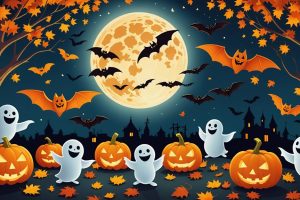
You might think Halloween is just about costumes and trick-or-treating, but it's got a much deeper history than that. For instance, did you know its roots can be traced back to the ancient Celtic festival of Samhain? This celebration not only marked the end of the harvest season but also served as a time to honor the dead. As you explore what Halloween truly represents, you'll uncover surprising traditions and international customs that challenge the typical Western narrative. What other unexpected facets of Halloween are waiting to be discovered?

Origins of Halloween

Halloween traces its roots back to the ancient Celtic festival of Samhain, where people believed the boundary between the living and the dead blurred. This festival marked the end of the harvest season and the onset of winter. On the night of October 31st, Celts lit bonfires and wore costumes to ward off roaming spirits, fearing that the dead would return to cause havoc.
As Christianity spread, the church sought to replace pagan traditions. They established All Hallows' Eve on October 31st, the night before All Saints' Day, a time to honor saints and martyrs. Over the years, this evolved into Halloween, blending ancient customs with new religious practices.
In the 19th century, Irish immigrants brought these traditions to America, where Halloween transformed into a community-centered holiday. Activities like trick-or-treating, pumpkin carving, and costume parties emerged as ways to celebrate. You might not realize that the iconic jack-o'-lantern originated from the practice of carving turnips, which eventually gave way to pumpkins in America.
Today, Halloween's blend of ancient customs and modern festivities creates a unique celebration that captivates people of all ages.
Halloween Around the World
As Halloween evolved in the United States, its celebration spread globally, taking on various forms influenced by local customs and traditions. In Mexico, you'll find Día de los Muertos, or Day of the Dead, a vibrant celebration honoring deceased loved ones with altars, marigolds, and sugar skulls. This festive approach differs from the spooky tones of Halloween, focusing instead on remembrance and joy.
In Ireland, the birthplace of Halloween, people celebrate with bonfires and traditional games like "snap apple." The Irish also have a strong connection to ancient traditions like Samhain, which marks the end of the harvest season.
Across Japan, Halloween has gained popularity, especially in urban areas. You'll see elaborate costumes and themed events, particularly in Tokyo, where people participate in massive parades.

In Italy, children dress up and go door-to-door, but they often focus on celebrating the Feast of All Saints instead.
In each of these cultures, Halloween's essence remains: a time for community, creativity, and honoring the past. As you explore these diverse celebrations, you'll discover how Halloween uniquely adapts and enriches various cultures around the world.
Unusual Halloween Traditions

When you think of Halloween, you might picture trick-or-treating or spooky decorations, but some cultures embrace unusual traditions that can be quite surprising. In Mexico, for instance, the Day of the Dead, or Día de los Muertos, honors deceased loved ones with vibrant altars, marigold flowers, and sugar skulls. It's a festive celebration, blending remembrance with joy, rather than fear.
In Ireland, where Halloween originated, you might find people playing games like "snap apple." Participants try to bite an apple suspended from a string without using their hands, adding a playful twist to the festivities.
Meanwhile, in Japan, the Obon festival features lanterns that guide spirits back to their resting places. Families share food and dance, creating a connection between the living and the dead.
In Romania, some celebrate Halloween by visiting Dracula's castle in Bran. Tourists indulge in ghost stories and vampire lore, adding a unique flair to the holiday.
These unusual traditions remind you that Halloween isn't just about scares; it's a time for remembrance, celebration, and connecting with cultural heritage in fascinating ways. So, why not explore these diverse customs this Halloween?
Read The Next Blog Post –
As you plunge into the mesmerizing history of Halloween, you can't help but feel a shiver of excitement! Who knew this spooky day was born from ancient Celtic traditions and transformed by Irish immigrants? And let's not forget the vibrant celebrations around the globe! Halloween isn't just about candy and costumes; it's a thrilling tapestry of customs that keeps the spirit of our ancestors alive. So this October 31st, embrace the magic and let the ghosts of history dance with you!