


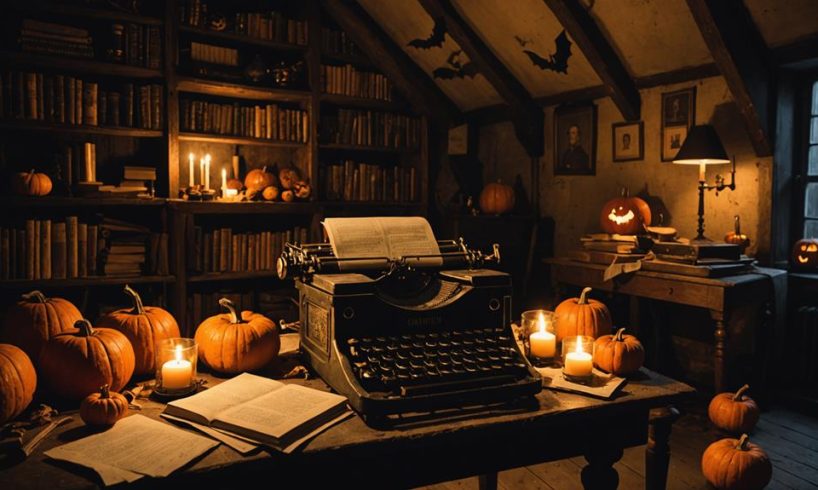
Have you ever wondered if the most chilling tales come from the darkest corners of our minds? When you tap into your own fears and explore unsettling characters, you might find that the eeriest stories resonate most deeply. The atmosphere of Halloween offers a unique backdrop, but it's the characters and settings that truly haunt. What if the key to crafting a spine-tingling narrative lies not just in the supernatural, but in the everyday fears we all share? You'll want to contemplate how these elements intertwine as you shape your own spooky creations.

Embracing the Halloween Spirit
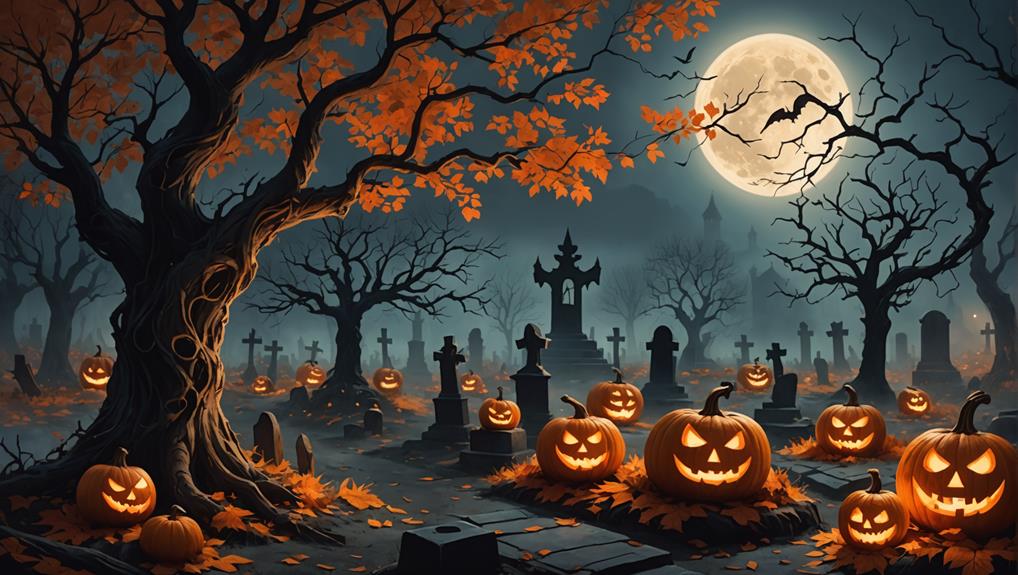
Embracing the Halloween spirit means diving headfirst into the season's eerie charm. You can start by immersing yourself in the sights and sounds that define this haunting time of year. Picture the flickering jack-o'-lanterns casting ghostly shadows, while the crisp air carries the scent of fallen leaves and bonfires. It's a perfect backdrop for your imagination to run wild.
You might want to explore the folklore and legends that surround Halloween. Researching local ghost stories or ancient traditions can add depth to your writing. Consider visiting a nearby haunted house or taking a stroll through a cemetery—it could inspire you in ways you never expected.
Don't forget the colors of Halloween. Rich oranges, deep blacks, and eerie greens can evoke emotions and set the tone for your scenes. Use them in your descriptions to create a vivid atmosphere.
As you embrace the Halloween spirit, let it infuse your words with excitement and mystery. Whether you're crafting a spine-chilling tale or a whimsical story, allow the haunting essence of this season to guide your pen. You'll find that the magic of Halloween can spark creativity like nothing else.
Crafting Eerie Characters
The enchanting allure of Halloween sets the perfect stage for creating characters that linger in the minds of your readers. You want to dive deep into the twisted psyche of your characters, giving them traits that evoke both fear and fascination. Start with an unsettling backstory—something that hints at their darker motivations. Maybe they're a misunderstood ghost, trapped by their own choices, or a witch whose powers come with a price.
Next, think about their appearance. Eerie characters often have distinctive features that make them memorable. Perhaps your vampire has piercing red eyes that seem to glow or a werewolf with scars that tell tales of past battles. These details can make your readers shiver.
Don't forget their quirks. A character can be truly eerie when they possess habits that unsettle others—like a laugh that echoes too long or an obsession with collecting human bones. As you craft these characters, guarantee they evoke a sense of unease, yet are complex enough for readers to empathize with them. Remember, the best eerie characters are those who haunt both the page and the imagination long after the story ends.

Setting the Chilling Scene
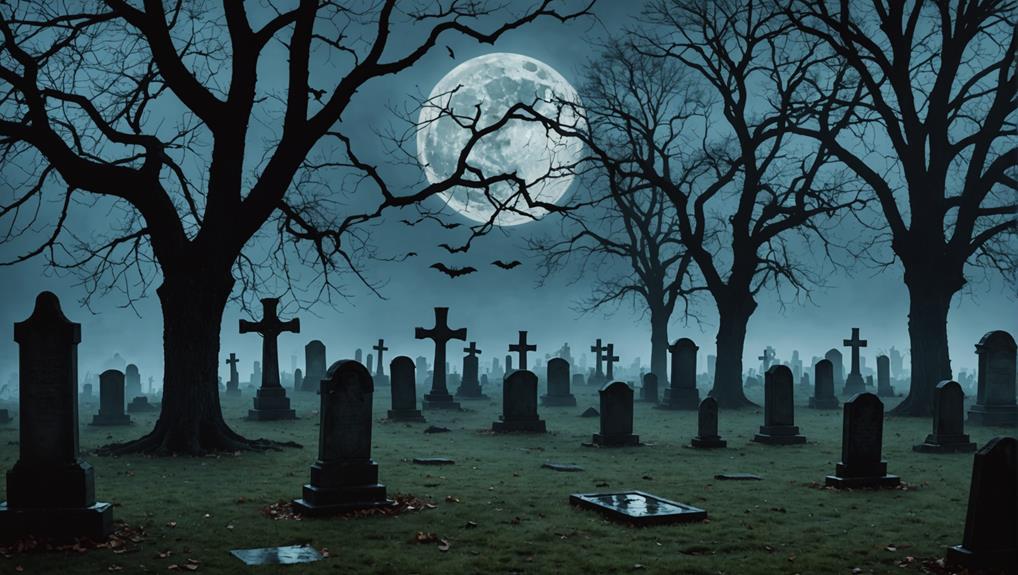
Creating a chilling scene is essential for drawing readers into the eerie atmosphere of your Halloween story. You want them to feel the goosebumps on their skin and sense the darkness lurking just out of sight. Start by focusing on three key elements to craft your setting:
- Sensory Details: Engage your readers' senses. Describe the musty smell of damp earth, the chilling whispers of the wind, or the flickering shadows cast by a dying candle. These details immerse readers in your world.
- Environment: Place your characters in a setting that enhances the mood. Whether it's a decrepit old house, a fog-shrouded graveyard, or an abandoned carnival, the surroundings should evoke feelings of dread and curiosity.
- Atmospheric Tension: Create a sense of unease. Use contrasting elements, like bright moonlight juxtaposed with dark corners, to keep readers on edge. The unpredictability of the environment will heighten the tension and draw them deeper into your narrative.
Techniques for Suspense
To create true suspense, you'll want to build tension gradually, letting your readers feel the unease grow. Incorporating unpredictable plot twists keeps them guessing and on the edge of their seats. These techniques can transform your writing from merely spooky to genuinely thrilling.
Building Tension Gradually
Crafting suspense in your writing hinges on the art of building tension gradually. You want your readers to feel a growing sense of unease, so it's crucial to pace the narrative just right. Here are three effective techniques to help you achieve that:
- Foreshadowing: Drop subtle hints about what's to come. A creaking door or a shadowy figure in the background can make readers uneasy, prompting them to anticipate something sinister.
- Raising Stakes: Introduce threats or obstacles that your characters must face. Each challenge should escalate the danger, keeping your audience on the edge of their seats as they wonder how the characters will survive.
- Creating Uncertainty: Keep readers guessing by blurring the lines between reality and imagination. Is that noise in the attic real, or just a figment of the character's imagination? This ambiguity will heighten the suspense, making them question every detail.
Unpredictable Plot Twists
Incorporating unpredictable plot twists can elevate your suspense writing to new heights, leaving readers breathless and enthusiastic to turn the page. To achieve this, consider planting subtle clues throughout your narrative. These hints should hint at the twist without giving it away, allowing readers to feel clever when they finally piece it together.
Another effective technique is to subvert expectations. Build up a character or situation that seems to lead to a predictable outcome, then flip the script entirely. For instance, your hero might betray the group, or the supposed villain could reveal a hidden agenda that changes everything. This not only keeps readers on their toes but deepens their investment in the story.
Timing is essential. Reveal your twist at just the right moment—when tension is high and readers are most engaged. This creates a jarring yet satisfying experience. Finally, make certain your twists are plausible within the story's context. A twist that feels forced can alienate your audience.
Incorporating Folklore and Legends
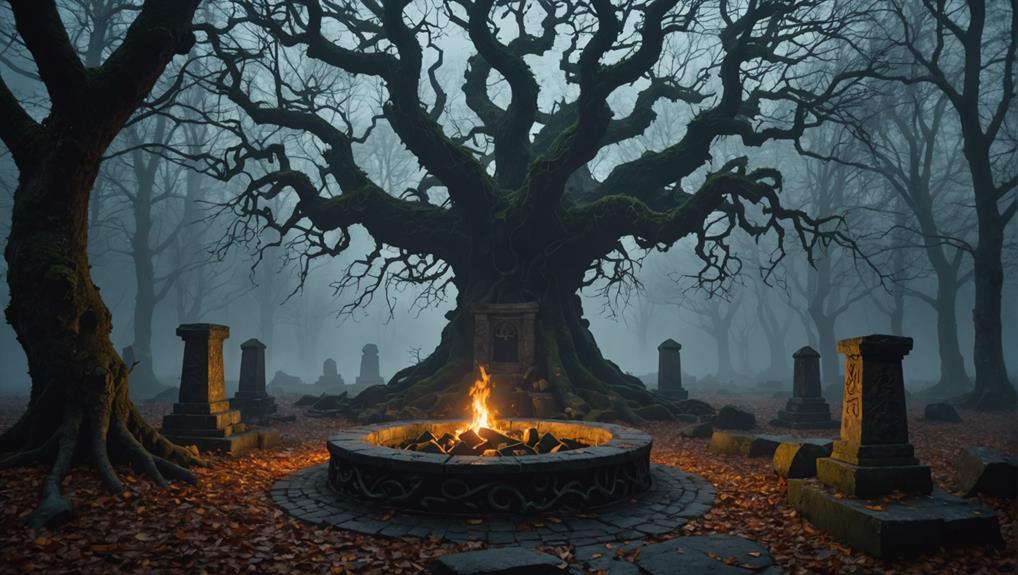
Folklore and legends breathe life into Halloween, transforming ordinary tales into spine-chilling narratives. When you weave these stories into your writing, you not only captivate your readers but also connect them to age-old fears and beliefs. To effectively incorporate folklore and legends, consider these three strategies:
- Choose a Local Legend: Research the folklore from your region. Whether it's a haunted bridge or a ghostly figure, local legends add authenticity and make your story relatable.
- Use Symbolism: Many legends carry deep symbolism. Integrate elements like the full moon, black cats, or graveyards to evoke familiar themes and create an eerie atmosphere.
- Create Unique Twists: Take a well-known legend and give it your own spin. Flip the narrative—what if the monster isn't the villain? This fresh perspective keeps your readers hooked and adds depth to familiar tales.
Writing From Personal Fears
To write compelling horror, you need to embrace your deepest fears. This honesty not only shapes authentic characters but also sets a frightening scene that resonates with readers. When you tap into what scares you, you create a powerful connection that can leave a lasting impact.
Embracing Your Deepest Fears
How often do you find yourself haunted by your deepest fears, lurking just beneath the surface of your daily thoughts? Those fears can be intimidating, but embracing them can fuel your writing and lead to powerful stories. By confronting what scares you, you'll discover a wealth of material to explore.
Here are three ways to embrace your deepest fears in your writing:
- Identify Your Fears: Take time to reflect on what truly terrifies you. Is it the fear of failure, rejection, or the unknown? Write these down; recognizing them is the first step to transformation.
- Use Fear as Fuel: Instead of avoiding these anxieties, let them inspire your characters or plot. Channel that energy into crafting a gripping narrative that resonates with readers who share similar fears.
- Write Without Judgment: Allow yourself to express these fears freely in your writing. Don't censor your thoughts—write raw and real. This unfiltered approach can lead to authentic and compelling storytelling.
Crafting Authentic Characters
When crafting authentic characters, tapping into your personal fears can breathe life into their motivations and struggles. Think about what terrifies you—whether it's the dark, loneliness, or failure. Use these emotions as a foundation for your characters. If you fear the unknown, create a character who grapples with uncertainty in a haunting situation. Let their anxiety guide their decisions and shape their journey.
As you develop your character, consider how their fears manifest. Do they avoid certain places, or do they confront their nightmares head-on? Show their internal conflict through actions and dialogue. This not only adds depth but makes them relatable. Readers often connect more with characters who battle fears they recognize in themselves.
Incorporate your personal experiences to enhance authenticity. Maybe you once faced a fear of public speaking—use that to inform a character's struggle with being thrust into the spotlight. This personal touch creates a rich tapestry of emotion that resonates with readers. Ultimately, when you write from your fears, you allow your characters to feel real, making their terrifying journeys all the more engaging and impactful.
Setting the Frightening Scene
Creating a chilling atmosphere can transform a story into a haunting experience. To evoke fear, you need to tap into your own personal fears and let them permeate your writing. When you craft a scene, think about the elements that send shivers down your spine. Here are three ways to set that frightening scene:
- Use Sensory Details: Engage all five senses. Describe the musty smell of an abandoned house, the cold draft that whispers against your skin, or the eerie silence that envelops you.
- Create Isolation: Place your characters in settings that cut them off from the outside world. A remote cabin, a fog-covered street, or an endless forest can amplify their vulnerability.
- Manipulate Light and Shadow: Play with contrasts. Describe how faint moonlight casts elongated shadows, creating shapes that seem to move. This ambiguity can heighten tension and uncertainty.
Exploring Different Genres
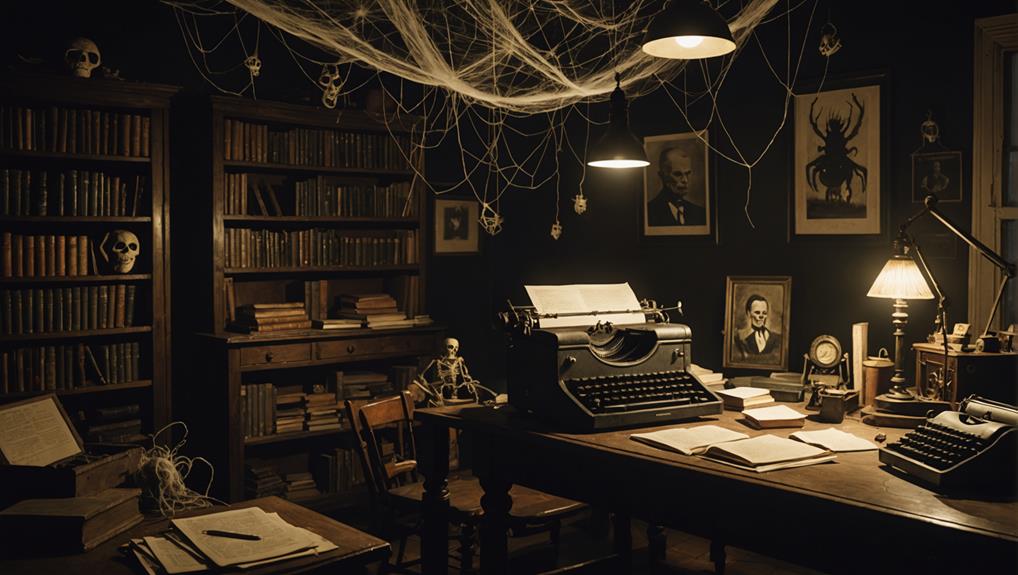
What makes a Halloween story truly spine-chilling? It's the genre you choose to craft your tale. Each genre offers unique ways to evoke fear and suspense. For instance, if you plunge into horror, you can explore the darkest corners of your imagination. Think about grotesque creatures or haunted settings that send shivers down readers' spines.
If you prefer a more lighthearted approach, consider writing a Halloween-themed mystery. You can weave in eerie clues and unexpected twists that keep your audience guessing. This genre allows for tension without overwhelming terror, making it suitable for a wider audience.
Fantasy can also add a whimsical yet spooky touch to your writing. Enchant your readers with magical elements and otherworldly beings, while still maintaining an air of suspense.
For those who enjoy the thrill of suspense, a psychological thriller might be your best bet. You can investigate the minds of your characters, revealing their fears and vulnerabilities, creating an unsettling atmosphere.
No matter the genre, Halloween offers a rich tapestry for your creativity. Embrace the possibilities and let your imagination run wild!
Sharing Your Spooky Stories
Sharing your spooky stories can be just as thrilling as writing them. When you recount a chilling tale, you invite others to feel the excitement and fear you experienced. Whether it's around a campfire or in a cozy living room, the atmosphere changes when you release your spine-tingling narratives.

Here's how you can effectively share your spooky stories:
- Set the Scene: Create an eerie ambiance with dim lighting or creepy background music. This draws your audience in and gets them in the right mood.
- Engage Your Audience: Make eye contact, use expressive gestures, and vary your tone. When you're animated, your listeners will be more captivated and invested in your story.
- Invite Interaction: Encourage questions or reactions as you share. This not only makes the experience more interactive but also allows you to gauge their reactions and adapt your storytelling on the fly.
Read The Next Blog Post –
As you weave your spooky tales, remember that fear often stems from the unknown. Research shows that our minds are wired to perceive threats in darkness, which explains why haunted settings resonate so deeply. Embracing this psychological truth can elevate your writing, allowing you to tap into universal fears. So, whether you're conjuring ghosts or exploring eerie folklore, let the shadows guide you. Ultimately, it's about connecting with readers, stirring their imaginations, and igniting their own fears.


