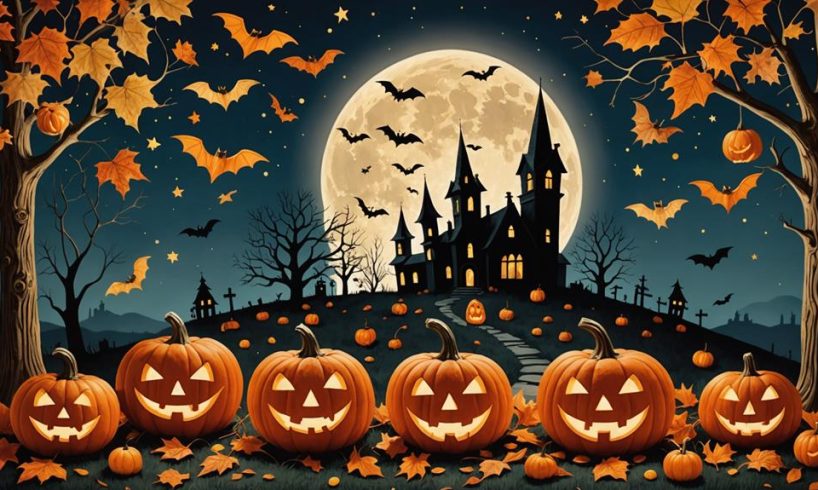
You might think you know everything about Halloween, but there's more to this holiday than costumes and candy. By exploring the origins and lesser-known traditions, you'll uncover fascinating facts that could change your perspective on the season. For instance, have you ever considered how jack-o'-lanterns became a staple of Halloween decor, or why candy corn was initially named something quite different? These insights not only enrich your experience but also reveal the cultural significance behind the festivities, inviting you to rethink your own Halloween traditions.

Ancient Origins of Halloween
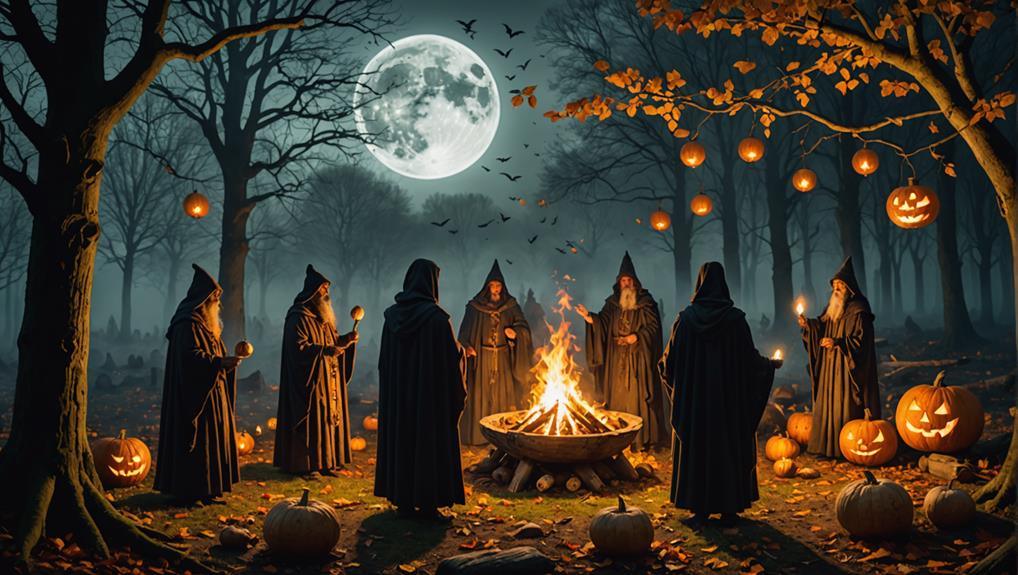
Have you ever wondered where Halloween comes from? The origins of this spooky celebration trace back over 2,000 years to the ancient Celtic festival of Samhain. This festival marked the end of the harvest season and the beginning of winter, a time when the boundary between the living and the dead was believed to be blurred. During Samhain, people lit bonfires and wore costumes to ward off roaming spirits.
As the Celts celebrated, they believed that the souls of the deceased would return to Earth, seeking comfort and connection. To honor these spirits, families would leave out food and offerings. The festival was a mix of reverence and fear, as they wanted to appease the spirits while protecting themselves from any malevolent forces.
When the Romans conquered Celtic territories around 43 A.D., they merged their own traditions with Samhain, introducing elements like Pomona's Day, which celebrated the harvest. Over time, these customs evolved into what we now recognize as Halloween. So, next time you carve a pumpkin or don a costume, remember its rich history rooted in ancient traditions that honored the cycles of life and death.
The Name "Halloween" Explained
You might be surprised to learn that the name "Halloween" has a fascinating history rooted in ancient traditions. Originally derived from "All Hallows' Eve," it marks the evening before All Saints' Day and reflects its cultural significance over time. Understanding its etymology can deepen your appreciation for this spooky holiday.
Etymology of Halloween
The name "Halloween" traces its roots back to the ancient Celtic festival of Samhain, a celebration marking the end of the harvest season and the onset of winter. This festival, held on the night of October 31st, was believed to be a time when the boundary between the living and the dead blurred, allowing spirits to roam the earth.
As Christianity spread, the church sought to replace pagan festivals with Christian observances. They designated November 1st as All Saints' Day, also known as All Hallows' Day, to honor saints and martyrs. The evening before, October 31st, became known as All Hallows' Eve, which was eventually shortened to "Halloween."
You might find it fascinating that the term "Hallow" means "holy" in Old English, while "e'en" is a contraction of "evening." Consequently, Halloween literally means "the evening of all holy ones." This transformation of the name highlights how cultural practices evolve, blending old traditions with new beliefs. So, as you celebrate Halloween, you're partaking in a rich tapestry of history that reflects both ancient customs and modern festivities.
Historical Origins Explained
Understanding the historical origins of Halloween goes beyond its name and reveals how various cultures have shaped the celebration over centuries. The term "Halloween" itself is derived from "All Hallows' Eve," referring to the evening before All Hallows' Day, which is celebrated on November 1st. This Christian observance aimed to honor saints and martyrs, but its roots dig deeper into ancient traditions.
The Celts, particularly during the festival of Samhain, believed that the boundary between the living and the dead was thin on October 31st. They lit bonfires and wore costumes to ward off roaming spirits. As Christianity spread, these pagan customs intertwined with religious practices, leading to the hybrid celebration we recognize today.
In medieval times, people would go door-to-door, offering prayers for the dead in exchange for food, an early form of what we now know as "trick-or-treating." This blend of cultural influences reflects the dynamic nature of Halloween, showcasing how it evolved from ancient rituals to a modern celebration. The name "Halloween" encapsulates this journey, marking a historical timeline that connects past and present in a festive manner.
Cultural Significance Over Time
Halloween's name carries a rich tapestry of cultural significance that has evolved over centuries. You might be surprised to learn that the term "Halloween" is derived from "All Hallows' Eve," which refers to the evening before All Saints' Day, celebrated on November 1st. This connection highlights its roots in the Christian calendar, blending ancient pagan customs with religious observances.
As you explore Halloween's transformation, notice how it reflects societal changes. Originally, it marked the end of harvest and the beginning of winter, a time when people believed the veil between the living and the dead was thinnest. Over time, this eerie significance shifted to a more playful celebration, emphasizing costumes, trick-or-treating, and community gatherings.
In modern culture, Halloween embodies a mix of nostalgia, fear, and fun. It invites you to embrace creativity through costumes, decorations, and themed parties. By understanding Halloween's name and its cultural evolution, you can appreciate the depth and diversity of this festive occasion, which continues to evolve, connecting people across generations while celebrating life, death, and the spirit of community.
Jack-o'-Lanterns: More Than Decor
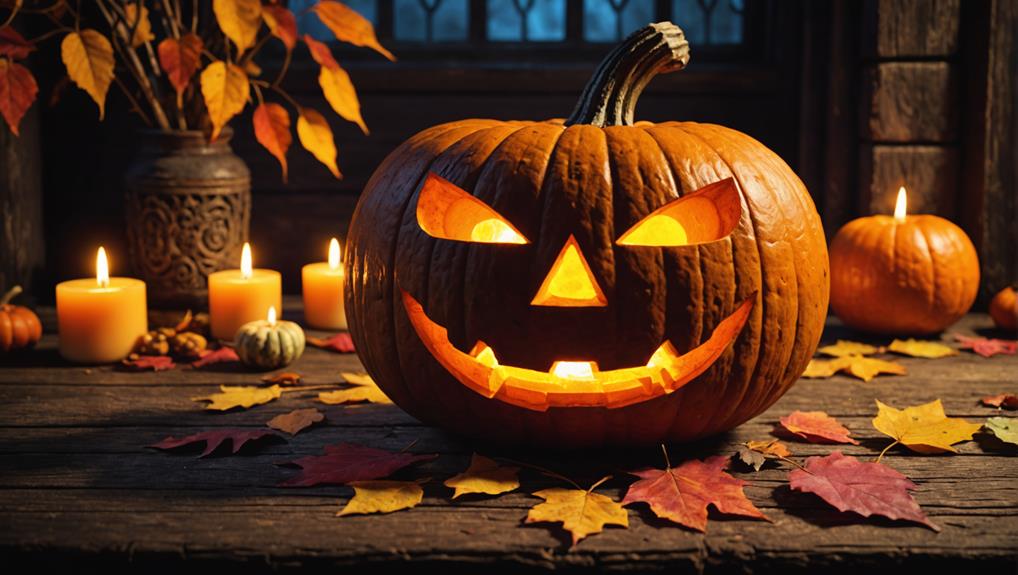
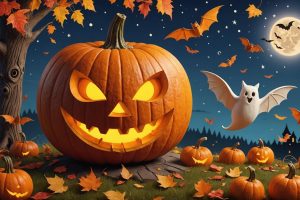
Carving pumpkins into jack-o'-lanterns has evolved into a beloved Halloween tradition, but their significance goes far beyond mere decoration. Originally, the practice began in Ireland, where people carved turnips and placed candles inside to ward off evil spirits. When Irish immigrants arrived in America, they discovered that pumpkins were larger and easier to carve, leading to the jack-o'-lantern we recognize today.
These glowing creations serve as symbols of protection, meant to scare away malevolent forces on Halloween night. The flickering lights inside remind you of the ancient belief that the dead could walk among the living during this time. By placing jack-o'-lanterns on porches and windowsills, you're not just decorating your home; you're honoring a rich cultural history.
Additionally, carving jack-o'-lanterns has become a fun family activity, fostering creativity and bonding. You can get imaginative with designs, turning a simple pumpkin into a work of art. Whether you prefer spooky faces or intricate patterns, every jack-o'-lantern carries a story, connecting you to traditions that span centuries. So, when you carve your pumpkin this Halloween, remember, it's more than just decor—it's a piece of history.
Trick-or-Treating's Surprising Roots
When you think of trick-or-treating, you might picture kids in costumes, but its roots stretch back to ancient Celtic traditions. In medieval times, people began to evolve these customs into what we recognize today as the Halloween ritual of begging for treats. Let's explore how these practices transformed over the centuries into the fun activity we enjoy now.
Ancient Celtic Traditions
Long before trick-or-treating became a beloved Halloween tradition, the ancient Celts celebrated Samhain, a festival marking the end of the harvest season and the onset of winter. This time of year was filled with mystery and superstition, as the Celts believed that the boundary between the living and the dead blurred during Samhain. They thought that spirits of the deceased could return to Earth, causing both fear and reverence.
To appease these wandering souls, you'd see the Celts light bonfires and offer food and sacrifices. They'd often don costumes made of animal skins and masks to disguise themselves from any malevolent spirits. This practice aimed to protect them from harm, reflecting the roots of what would evolve into trick-or-treating.
As part of the celebration, the Celts would also go door-to-door, asking for food and treats, much like today's children. While their intentions were to seek offerings for the spirits, it set the stage for the modern tradition we cherish. So, when you're out trick-or-treating, remember that you're partaking in a ritual that has deep historical significance, connecting you to the ancient past.
Medieval Practices Evolving
As the centuries passed, Halloween evolved, and medieval practices began to influence what we now recognize as trick-or-treating. During the Middle Ages, people celebrated a festival called "All Hallows' Eve," where they would go door-to-door, asking for food in exchange for prayers for the dead. This practice, known as "souling," laid the groundwork for modern trick-or-treating.
As you explore these customs, you'll notice that children often took part in this tradition, collecting offerings from neighbors. In some regions, they'd even perform short plays or songs to earn their treats, blending entertainment with the act of begging.
Halloween Around the World
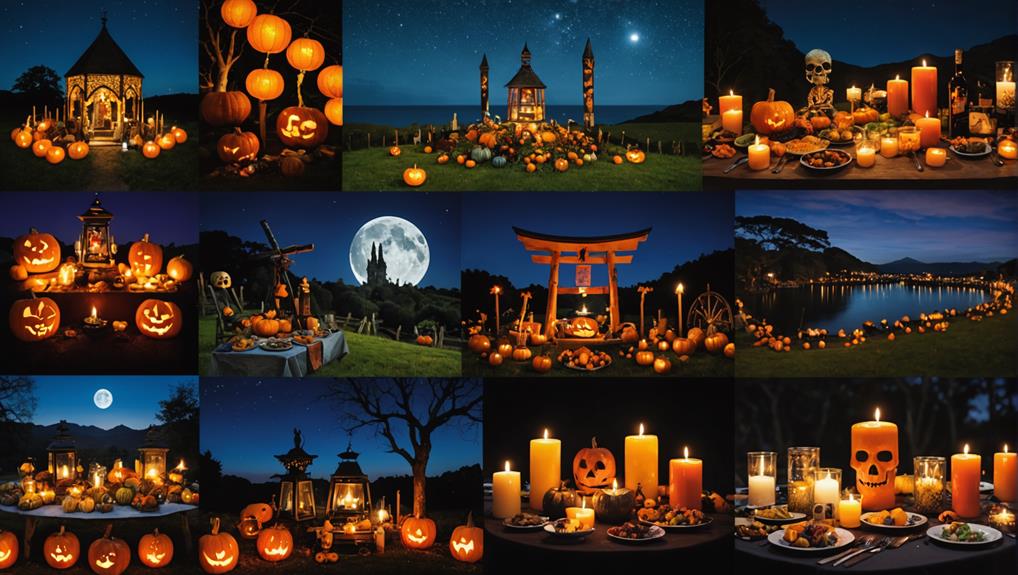
Halloween isn't just celebrated in the United States; it's a global phenomenon with unique traditions in various cultures. For instance, in Mexico, the Day of the Dead honors deceased loved ones with vibrant altars, sugar skulls, and festive gatherings. This colorful celebration blends joy and remembrance, contrasting with the spooky vibes of Halloween.
In Ireland, the birthplace of Halloween, people light bonfires and carve turnips into lanterns to ward off evil spirits. You might find locals dressing in costumes, echoing ancient practices of disguising oneself to confuse wandering souls.
In Japan, the Obon festival occurs in August, where families honor their ancestors with lanterns and dances. Though different in timing, it's a heartfelt tribute similar to Halloween's remembrance aspects.
In Italy, children celebrate a mix of Halloween and All Saints' Day, often dressing up and trick-or-treating, while in Spain, people enjoy a lively celebration called "Noche de las Brujas," or Night of the Witches.
The Rise of Costume Parties
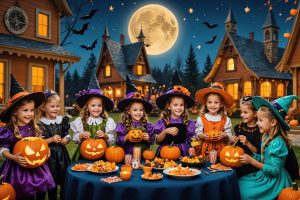
Costume parties have become a staple of Halloween festivities, capturing the imagination of people around the world. You might wonder how this tradition started. It dates back to ancient Celtic festivals, where disguises helped ward off evil spirits. Over time, this evolved into the costume parties that we are familiar with today.

When you attend a Halloween costume party, you join a long line of revelers who embrace creativity and self-expression. From spooky ghosts to pop culture icons, the variety of costumes reflects your personality and interests. You can transform into anyone you want, making the night thrilling and fun.
The rise of social media has also fueled the popularity of costume parties. Sharing photos of your costume allows you to connect with friends and showcase your creativity. Whether it's a casual gathering or an extravagant event, dressing up adds excitement to the occasion.
Moreover, costume parties often promote a sense of community. You bond with others through laughter and shared experiences, creating memories that last long after Halloween is over. So, the next time you don your favorite costume, remember that you're participating in a rich tradition that celebrates imagination and connection. Enjoy every moment!
Spooky Superstitions You Didn't Know
Mystique surrounds the myriad of superstitions that haunt Halloween, offering a fascinating glimpse into cultural beliefs and practices. You might not know, for example, that many folks believe if you see a spider on Halloween, it's the spirit of a loved one watching over you. This comforting thought contrasts sharply with the common fear of black cats, which some think bring bad luck, especially if they cross your path.
Another superstition involves the act of carving pumpkins. If you leave a jack-o'-lantern's candle lit all night, it's said to ward off evil spirits. However, extinguishing it before midnight is believed to invite those spirits into your home.
Did you know that some people avoid breaking mirrors on Halloween? They think it could trigger seven years of bad luck, as the day blurs the line between the living and the dead.
Lastly, many believe that if you hear an owl hoot on Halloween night, it signals death is near. So, as you celebrate, keep these spooky superstitions in mind—your Halloween festivities might just feel a little more intriguing!
The Candy Corn Controversy
You might love it or hate it, but candy corn sparks strong opinions every Halloween. Its origins date back to the 1880s, and its unique taste continues to divide candy lovers. Plus, the seasonal sales trends reveal just how polarizing this sugary treat really is.
Candy Corn Origins
Candy corn, a staple of Halloween treats, has a surprisingly contentious history that sparks debate among candy lovers. You might not know that this iconic candy dates back to the 1880s. Originally called "Chicken Feed," it was created by George Renninger of the Wunderle Candy Company. The treat gained popularity due to its unique tri-color design, resembling the kernels of corn.
However, the origins of candy corn aren't without controversy. Many people argue over whether it's a beloved Halloween treat or a sugary abomination. Some cherish its nostalgic value, while others can't stand its overly sweet flavor and waxy texture. The debate often centers around whether candy corn belongs in the Halloween candy lineup or if it should be relegated to the "never again" list.
Interestingly, candy corn's production peaked in the 1950s, and today, it still accounts for a significant portion of Halloween candy sales. Despite the mixed opinions, one thing remains clear: candy corn has secured its place in Halloween tradition, whether you love it or hate it. So, as you fill your trick-or-treat bags, consider this little piece of candy history!
Taste Test Opinions
While many enthusiastically anticipate the arrival of candy corn each Halloween, taste test opinions reveal a significant divide among candy enthusiasts. You'll find some who absolutely love this classic treat, while others can't stand it. The debate often boils down to texture and flavor.
To give you a clearer picture of the candy corn controversy, here's a quick breakdown of popular opinions:
| Opinion | Candy Enthusiast Type | Reason |
|---|---|---|
| Love it | Candy Corn Fans | Nostalgic taste, tradition |
| Neutral | Casual Snackers | It's okay, but not great |
| Dislike it | Candy Corn Haters | Too sweet, waxy texture |
| Indifferent | Open-Minded Tasters | Prefer other Halloween candy |
Whether you're a devoted fan or a staunch critic, candy corn sparks passionate conversations during the spooky season. So, the next time you're at a Halloween party, don't hesitate to share your thoughts. You might just find fellow enthusiasts or discover someone's secret stash of alternatives!
Seasonal Sales Trends
Seasonal sales trends reveal that candy corn consistently sparks debate among consumers each Halloween. You might love it or hate it, but one thing's for sure: it's a Halloween staple that divides opinions. Despite this division, candy corn remains one of the top-selling Halloween candies, often competing with classics like chocolate bars and gummy treats.
Retailers stock up on candy corn each year, anticipating high demand. You'll find it prominently displayed in stores, right next to more popular confections. Surprisingly, about 20 million pounds of candy corn are sold during the Halloween season alone.
However, this sugary treat often faces backlash on social media, with some declaring it the worst candy ever. Critics argue that its taste and texture don't live up to expectations, while fans defend its nostalgic charm. This ongoing debate keeps candy corn in the spotlight, driving both sales and discussions.
As you gear up for Halloween, you may find yourself loading up on candy corn or steering clear of it altogether. Regardless of your stance, it's clear that this divisive candy plays a significant role in Halloween's vibrant seasonal sales landscape.
Halloween's Impact on Retail
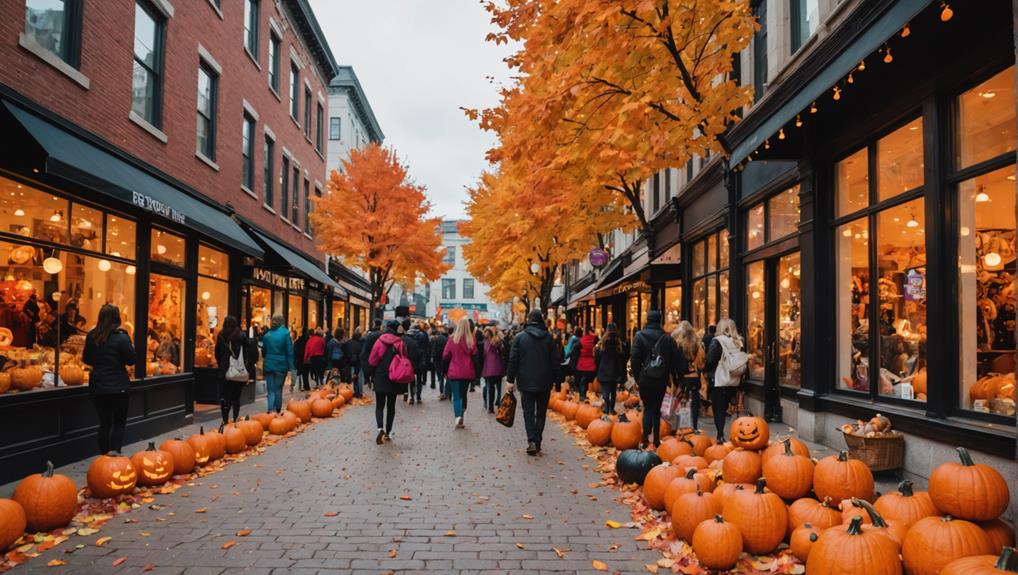
Halloween has become a major driver of retail sales, particularly impacting various sectors from costumes to decorations. Each year, you'll notice that stores start stocking up on Halloween merchandise earlier than ever. This trend signals just how significant this holiday has become for retailers. In fact, the National Retail Federation estimates that Halloween spending has soared, reaching billions of dollars annually.
When you walk into a store in October, you can't help but see the variety of items available. From spooky decorations to themed party supplies, retailers have tapped into your desire to celebrate. Additionally, grocery stores capitalize on the occasion by offering seasonal treats and festive foods, making it hard to resist those pumpkin-flavored snacks.
Online shopping has also played an essential role in Halloween retail. You might find that e-commerce platforms offer a wider selection of costumes and decor, making it easy for you to find exactly what you need. As more people embrace the holiday spirit, retailers continue to innovate and expand their offerings, ensuring that you have everything necessary for a memorable Halloween experience.
The Most Popular Costumes
When it comes to choosing the perfect costume, popular trends can make your decision easier and more fun. Each year, certain costumes capture the spotlight, making them must-haves for Halloween. If you're looking for inspiration, superheroes often top the list. Characters like Spider-Man and Wonder Woman never go out of style, appealing to kids and adults alike.
For a more whimsical choice, fairy tale characters are always a hit. From classic princesses to cunning witches, these options let you tap into your imagination. If you prefer something spooky, traditional monsters like vampires and zombies maintain their popularity, giving you that classic Halloween vibe.
In recent years, pop culture references have surged in popularity. Costumes inspired by trending movies, TV shows, or viral moments can help you stand out at any Halloween gathering. Think about dressing as characters from current hits or nostalgic favorites for a fun twist.
Don't forget about group costumes! Coordinating with friends or family can create a memorable experience. No matter what you choose, remember to embrace the spirit of Halloween and enjoy the creativity that comes with it!
Haunted Houses: A Growing Trend
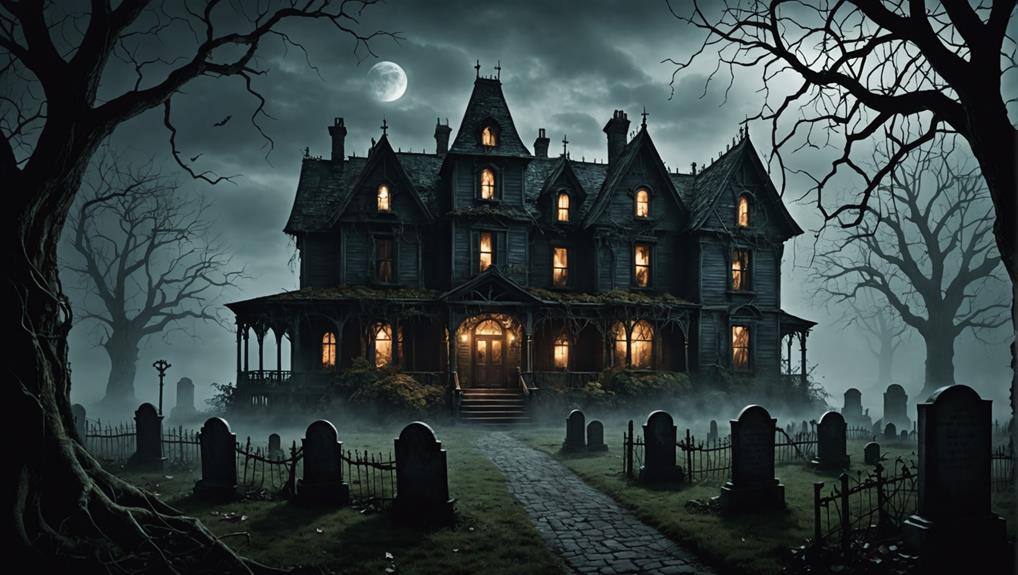
Haunted houses have become a thrilling staple of Halloween fun, drawing in crowds with their spooky attractions. You'll find that their history is rich and varied, evolving into popular experiences that cater to all ages. As you explore these haunted venues, it's crucial to keep safety guidelines in mind to guarantee a frightfully good time!
History of Haunted Houses
Over the years, many have embraced the thrill of visiting haunted houses, turning them into a popular attraction during the spooky season. The concept of haunted houses dates back to the 19th century when elaborate Halloween parties featured spooky decorations and ghostly themes. People began to transform their homes into eerie settings to entertain guests, setting the stage for what would become a widespread phenomenon.
By the 1970s, haunted houses evolved into commercial enterprises, with various organizations and community groups creating themed attractions. You might be surprised to learn that some of these early haunted houses were charity events, where proceeds helped local causes. As the trend grew, so did the creativity behind the designs, employing special effects, actors, and intricate storylines to enhance the experience.
Today, you can trace the roots of these spine-tingling attractions back to those simple gatherings. Haunted houses have become a staple of Halloween culture, continually reinventing themselves to keep visitors on the edge of their seats. Whether you're drawn in by the thrill or the nostalgia, the history of haunted houses is a reflection of our love for all things spooky.
Popular Attractions Today
If you love a good scare, you're not alone—haunted houses are more popular than ever. Each year, millions flock to these spooky attractions, enthusiastic to embrace the thrill of fear. With creative themes and elaborate setups, haunted houses have evolved into a multi-million-dollar industry, attracting visitors of all ages.
Here's a quick look at some popular haunted house themes you might encounter this Halloween season:
| Theme | Description | Popular Locations |
|---|---|---|
| Classic Haunted | Creepy mansions with ghosts and ghouls | Local community centers |
| Zombie Apocalypse | Interactive experiences with zombies | Urban areas and parks |
| Asylum | Disturbing settings based on insane asylums | Abandoned buildings |
| Horror Movies | Inspired by popular horror films | Theme parks and theaters |
| Corn Mazes | Spooky twists and turns in cornfields | Rural areas |
These attractions have become a staple of the Halloween season. Whether you're seeking a heart-pounding experience or just some seasonal fun, there's a haunted house out there waiting to give you the fright of your life!
Safety and Guidelines
As the popularity of haunted houses continues to grow, ensuring a safe and enjoyable experience for all visitors is more important than ever. Before you head out, check the haunted house's safety guidelines. Many places require visitors to sign waivers, so be prepared for that.
Dress appropriately—wear comfortable shoes and avoid costumes that could obstruct your vision or movement. You don't want to trip over your own cape!
When you arrive, pay attention to any posted rules. These might include age restrictions or warnings about strobe lights and loud noises. If you're bringing kids, make sure they understand what to expect, so they're not caught off guard.
Stay with your group and keep an eye on each other. Haunted houses can be overwhelming, and it's easy to get separated. If you feel uncomfortable at any point, it's okay to leave the attraction.
Lastly, remember to respect the staff and actors. They're there to create a fun experience, and following their instructions helps everyone enjoy the fright. By keeping these safety tips in mind, you can fully embrace the spooky season without worry!
The History of Haunted Attractions
Haunted attractions have a rich history that dates back centuries, intertwining with cultural beliefs about death and the supernatural. You might not realize that the concept of haunted houses can be traced to ancient rituals and festivals celebrating the dead. For instance, during Samhain, Celts would light bonfires and wear costumes to ward off spirits, setting a precedent for today's spooky celebrations.
In the 19th century, the Victorians embraced the macabre, leading to the first organized haunted attractions. They created elaborate ghost tours and theatrical performances that showcased haunting tales, drawing crowds keen for a thrill. With the rise of amusement parks in the early 20th century, haunted houses became an integral part of the Halloween experience, offering visitors a safe space to confront their fears.
Today, you'll find haunted attractions ranging from simple home haunts to sprawling theme park experiences. They blend technology with storytelling, immersing you in frightful scenarios. As you navigate these eerie spaces, remember that you're part of a long tradition of thrill-seekers facing the unknown, making haunted attractions a fascinating part of Halloween history.
Witches and Their Cultural Significance
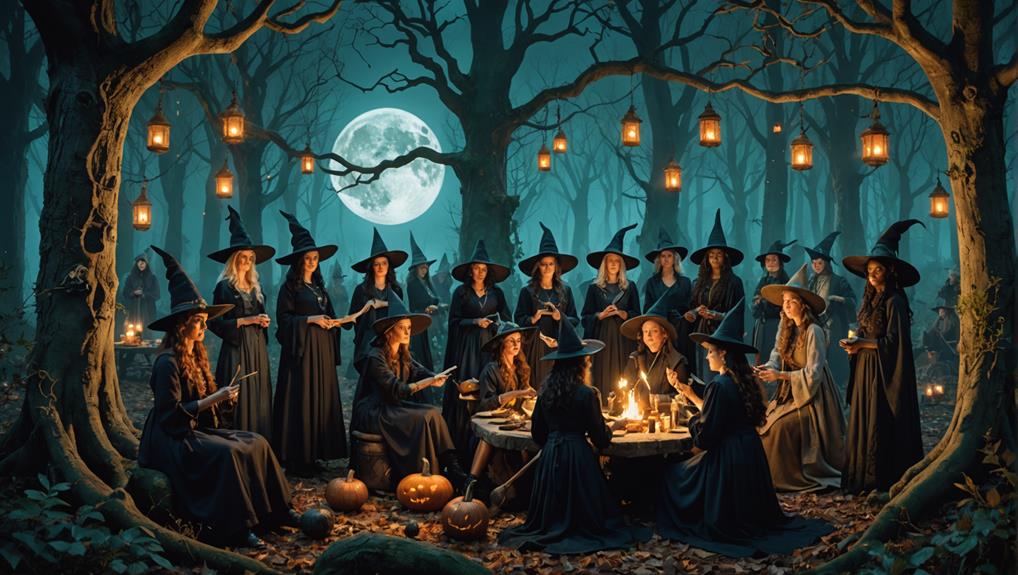
Witches have long captivated our imaginations, embodying both fear and fascination across cultures. Throughout history, they've played an essential role in folklore, symbolizing the unknown and the mystical. You might not realize that in many societies, witches were seen as wise women or healers, possessing knowledge of herbs and natural remedies. This duality highlights how perceptions of witches can shift dramatically depending on cultural context.
In medieval Europe, the witch hunts reflected societal fears, leading to persecution and scapegoating. However, in other cultures, witches are revered figures, representing feminine power and intuition. For example, in some Indigenous traditions, shamans or spiritual leaders may be considered witches, embodying a connection to the spirit world.
Today, witches are often embraced in popular culture, from charming portrayals in movies to empowering representations in modern pagan practices like Wicca. This evolution shows you that witches aren't merely figures of horror but also symbols of resilience, autonomy, and spirituality. As you celebrate Halloween, consider the rich tapestry of beliefs surrounding witches and how they continue to shape our understanding of magic and the human experience.
The Science Behind Fear
When you feel fear, your body responds in ways shaped by evolution, helping you react to danger. Your brain's fear processing center kicks in, triggering emotions and physical responses that prepare you to face threats. But did you know that cultural influences also play a significant role in how you experience fear?
Evolution of Fear Responses
Fear is an instinctual response that has evolved over millions of years to protect us from danger. This response is wired into your brain, preparing your body to react quickly to threats. When faced with a scary situation, your heart races, and adrenaline floods your system, enabling you to either fight or flee. This survival mechanism has been essential for humans and our ancestors, helping you avoid predators and dangerous situations.
Over time, your fear responses have adapted. While ancient threats like wild animals prompted immediate reactions, modern fears might stem from social situations or the unknown. The unpredictability of life today can trigger anxiety, which is really just a more complex form of fear.
Interestingly, your environment also shapes your fear responses. Cultural factors can influence what you find frightening. For example, while some people might fear spiders, others might be terrified of public speaking.
Understanding the evolution of fear responses helps you appreciate your instincts better. It's a reminder that what scares you today has roots in your survival, connecting you to the experiences of those who came before you.
Brain's Fear Processing Center
Processing fear involves a complex interplay of brain structures, primarily centered in the amygdala. This almond-shaped cluster of nuclei plays an essential role in how you perceive threats and respond to them. When you encounter something scary, the amygdala rapidly assesses the danger, triggering an emotional response that can lead to fight or flight reactions.
Here's a quick look at the key structures involved in fear processing:
| Brain Structure | Function | Impact on Fear Response |
|---|---|---|
| Amygdala | Evaluates threats | Activates fear response |
| Hippocampus | Processes memories of past fears | Helps contextualize threats |
| Prefrontal Cortex | Regulates emotional responses | Controls overreactions |
The amygdala's immediate response can hijack your rational thinking, which is where the prefrontal cortex comes in. It can help you calm down and assess the situation logically. Understanding how these brain structures work together can give you insight into why certain stimuli trigger fear and how you might manage it. So next time Halloween creeps up, remember: it's all happening in your brain!
Cultural Influences on Fear
Cultural influences shape how we experience fear, affecting everything from our phobias to our reactions during Halloween. Different cultures have unique histories, myths, and traditions that contribute to what we find frightening. For example, in Western cultures, vampires and ghosts dominate Halloween imagery, while other cultures might focus on spirits or ancestral figures. This diversity can lead to varying fears based on what you've been exposed to throughout your life.
Your upbringing and community play a huge role in developing specific fears. If you grew up watching horror films or hearing ghost stories, you might be more susceptible to fear related to those themes. Conversely, if your culture emphasizes bravery and resilience, you may approach frightening situations with curiosity instead of dread.
Moreover, societal norms can dictate acceptable fears. For instance, a fear of snakes might be more common in regions where snakes pose a genuine threat, while in urban settings, it might seem irrational. Understanding these cultural influences on fear can deepen your appreciation for Halloween's diverse traditions and the ways people engage with fear across the globe. It's not just about scares—it's about the stories and beliefs that shape them.
Halloween's Influence on Film
Halloween's influence on film is undeniably profound, shaping the horror genre and enthralling audiences for decades. From classic slashers to modern thrillers, Halloween has inspired filmmakers to explore themes of fear, the supernatural, and the macabre. You can see its impact in iconic movies that release around this time, tapping into the holiday's eerie essence.
Here's a quick look at some influential Halloween-themed films:
| Movie Title | Release Year |
|---|---|
| Halloween | 1978 |
| Hocus Pocus | 1993 |
| The Nightmare Before Christmas | 1993 |
These films not only celebrate Halloween but also set the tone for countless others. They help create a cultural atmosphere where horror becomes an annual tradition. You might find yourself revisiting these classics every October, drawn in by their chilling narratives and festive spirit.
As you immerse yourself in the world of horror movies, consider how Halloween fuels your fascination with fright, influencing your viewing habits and shaping your love for the genre. The holiday transforms each film into an experience, making your spooky season all the more memorable.
The Largest Pumpkin Record
As you enjoy the spooky films of October, you might also find yourself captivated by the impressive sights of Halloween festivities, like giant pumpkins. These oversized gourds aren't just a fun decoration; they also come with some jaw-dropping records. The largest pumpkin ever grown, as of 2023, tipped the scales at a staggering 2,703 pounds! This monstrous pumpkin was cultivated by a dedicated farmer in Belgium, showcasing the incredible potential of pumpkin farming.
Growing a pumpkin of this magnitude requires not just passion but also expertise. Enthusiasts often use specific techniques, like selective breeding and precise watering schedules, to achieve such impressive results. Some growers even use special fertilizers and careful pruning to guarantee their pumpkins reach their full potential.
Beyond sheer size, these giant pumpkins often become the stars of local festivals, drawing crowds keen to witness their enormity. You might find yourself snapping photos next to one of these giants or cheering at a pumpkin weigh-off. So, while you're enjoying Halloween treats, don't forget to appreciate the amazing efforts behind these record-breaking pumpkins that add a unique charm to the season!
Ghost Tours: A Global Phenomenon
Whether you're wandering through the cobblestone streets of a historic city or exploring a haunted house, ghost tours have become a thrilling way to experience local legends and folklore. These guided excursions often take you to the spookiest sites, where you'll hear chilling tales of the past, from haunted battlefields to eerie mansions.
In cities like New Orleans, Edinburgh, and Savannah, ghost tours attract both tourists and locals enthusiastic to uncover the supernatural stories hidden in their neighborhoods. Each location boasts its unique history, and the guides often share personal encounters with the paranormal, adding an intimate touch to the experience.
You might find yourself walking through graveyards, peering into dark alleyways, or even stepping foot in places known for their ghostly inhabitants. The combination of history, mystery, and a dash of adrenaline makes these tours enchanting.
Plus, many ghost tours incorporate elements of local culture, providing a deeper understanding of the community's beliefs and traditions surrounding the afterlife. So, whether you're a skeptic or a believer, joining a ghost tour is a great way to add some spine-tingling excitement to your Halloween festivities.
Halloween Spending Statistics
Ghost tours might get you in the spooky spirit, but the excitement of Halloween also shows up in the numbers when it comes to spending. Each year, millions of people splurge on costumes, decorations, and candy, making Halloween one of the biggest retail events in the calendar. You might be surprised by how much is spent overall.
Here's a quick look at Halloween spending statistics:
| Category | Estimated Spending (2023) | Percentage of Total Spending |
|---|---|---|
| Costumes | $3.1 billion | 43% |
| Decorations | $2.7 billion | 38% |
| Candy | $1.9 billion | 19% |
In total, Americans are projected to spend over $12 billion on Halloween this year, showcasing just how much you love this spooky season. Whether you're dressing up as a witch, decorating your home, or buying treats for the kids, it's clear that Halloween spending is a thrilling part of the holiday experience. So, as you prepare for all things spooky, remember that you're part of a much larger trend.
The Evolution of Halloween Games
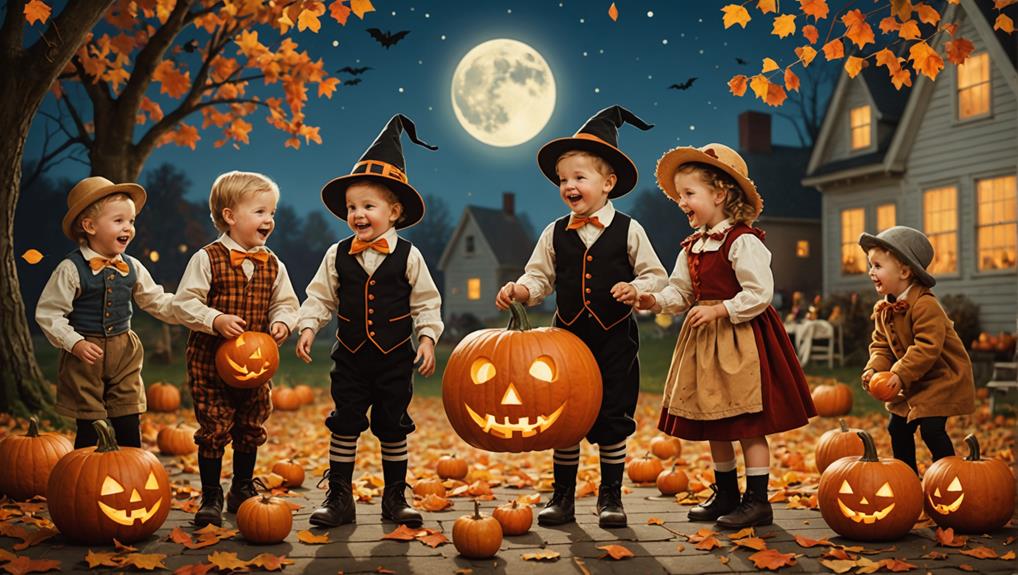
Halloween games have transformed dramatically over the years, evolving from simple folk traditions to elaborate festivities that bring friends and families together. In the past, games like bobbing for apples were common, serving as a fun way to celebrate the harvest season. You'd gather around a tub filled with water and apples, trying to grab one without using your hands—a true test of skill and determination!
As time went on, the scope of Halloween games expanded. You may have seen popular games like "Pin the Hat on the Witch" or scavenger hunts, which encourage creativity and teamwork. Today, Halloween parties often feature a mix of traditional and modern games. From spooky trivia to escape room challenges, these activities cater to all ages, ensuring everyone feels included.
With technology playing a significant role, you might even encounter virtual Halloween games that bring friends together from afar. This evolution highlights how Halloween games have adapted to changing times while maintaining their core purpose: fostering fun and connection. So, whether you're hosting a gathering or just enjoying a night of fright, remember the rich history of Halloween games that adds to the festive spirit!
Unusual Halloween Traditions
Across the globe, numerous unusual Halloween traditions offer a glimpse into how diverse cultures celebrate this spooky season. In Mexico, for example, you might find families honoring their deceased loved ones during Día de los Muertos (Day of the Dead). They create vibrant altars adorned with photos, marigolds, and sugar skulls to welcome spirits back for a night of remembrance.
In Ireland, you could join in the tradition of "Guising." Instead of trick-or-treating, children dress up in costumes and recite poems or tell jokes to earn their treats. Meanwhile, in Italy, you might notice that Halloween is less about spooky fun and more about honoring saints; it's celebrated with special foods and gatherings.
In Japan, the Obon festival incorporates elements of Halloween, where people light lanterns to guide the spirits of ancestors. And in some parts of Scotland, you could participate in "Dookin' for Apples," where you try to grab apples floating in water using only your mouth!
These unique customs show how Halloween can be both a fun, spooky time and a meaningful occasion for honoring memories.
Read The Next Blog Post –
As you plunge into the fascinating world of Halloween, imagine it as a colorful tapestry, woven with threads of history and tradition from around the globe. Each fact you discover adds another vibrant stitch, creating a richer understanding of this beloved holiday. Just like the first light of a jack-o'-lantern cutting through the darkness, these surprising insights illuminate the spirit of Halloween, reminding us that every celebration carries stories waiting to be uncovered. Embrace the magic!